

Climate Change Disrupts Uttarakhand's Buransh Flowering, Endangering Rural Livelihoods
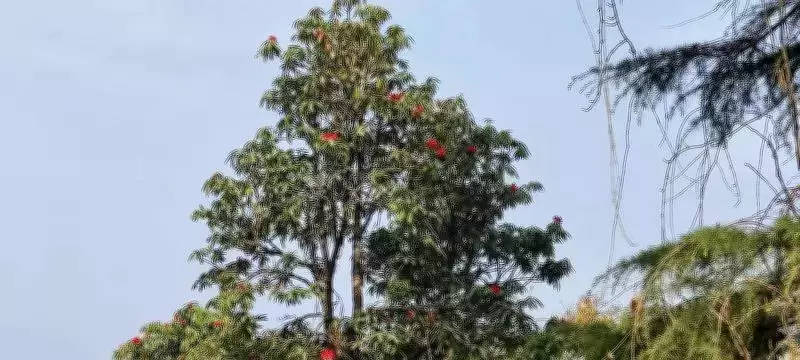
In the scenic hills of Uttarakhand, a worrying environmental trend is unfolding. The Buransh, scientifically known as Rhododendron arboreum and honored as the state tree, is experiencing erratic and reduced flowering this season. This phenomenon is directly linked to poor winter rainfall and rising temperatures, raising significant concerns among rural communities that rely on the seasonal harvest of these bright red flowers for crucial income.
Impact on Women's Earnings and Community Livelihoods
Women involved in collecting Buransh flowers and preparing juice report that the diminished flowering is likely to severely affect their earnings. Uma Devi, a member of a self-help group from Almora district, expressed her distress, stating, "Buransh flowers are an important source of seasonal income for us, but this year the flowering is poor and our incomes will be affected." Historically, women have earned between Rs 6,000 and Rs 12,000 during the March–April season through the sale of flowers and Buransh juice, a vital supplement to household finances.
Rajesh Mathpal, who works with women's groups in Almora, highlighted the scale of this issue. He noted that approximately 1,500 women in the district are engaged in collecting and processing Buransh flowers. "They usually get up to Rs 100 per kg for the flowers, but erratic flowering this year has cast uncertainty over their income," Mathpal explained, underscoring the economic vulnerability faced by these communities.

Widespread Reports from Across the Region
Similar accounts of poor flowering have emerged from several villages in Tehri Garhwal, including Kund, Kitad, Almas, Phedi, Kimoda, Naughar, and Syalsi. Braham Kant Bhatt, who works with women's groups in this region, attributed the situation to a lack of winter rains and warmer climatic conditions. "The changing weather patterns are directly impacting the natural cycles of Buransh, which thrives in specific environmental conditions," Bhatt remarked, pointing to broader climate change effects.
Ecological and Economic Significance of Buransh
Buransh typically grows at altitudes of 1,200–2,500 metres above sea level and is commonly found in mixed forests alongside oak species. The bright red flowers are not just a visual delight but are widely used to prepare juice and other products, providing seasonal livelihood support to hill communities. This ecological role makes the tree a cornerstone of local biodiversity and rural economies.
The reduced flowering this year serves as a stark reminder of how climate variability can disrupt traditional livelihoods. As temperatures rise and rainfall patterns become unpredictable, the future of Buransh harvesting—and the incomes of those dependent on it—hangs in the balance, calling for attention to sustainable practices and climate resilience in Uttarakhand's rural areas.






