Sonam Wangchuk Advocates for Constructive Dialogue Following NSA Detention Release
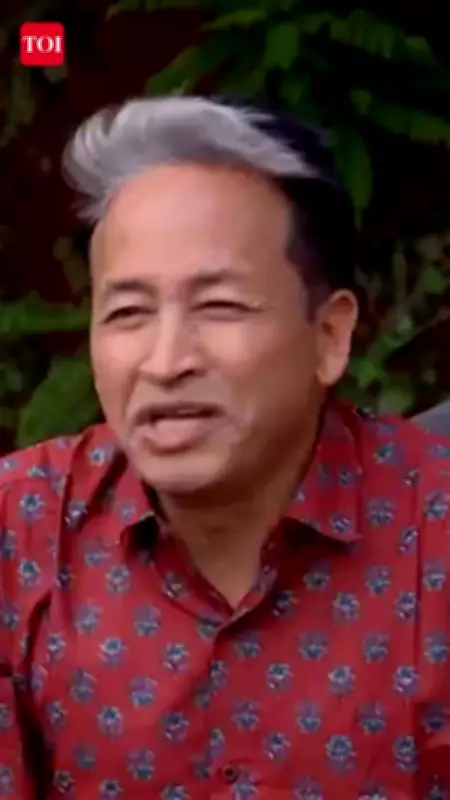
Ladakh-based climate activist Sonam Wangchuk has voiced renewed optimism and determination after his recent release from detention under the National Security Act (NSA). In a significant statement, he emphasized the importance of ongoing dialogue with the government to achieve a beneficial outcome for the region.
Re-energized Commitment to Ladakh and the Himalayas
Wangchuk expressed feeling re-energized and hopeful following recent developments that have opened avenues for renewed engagement. He stressed that his primary objective has always been to secure a win-win scenario, not merely a personal victory. This vision aims to benefit Ladakh, the fragile Himalayan ecosystem, and the broader environmental causes he champions.
Government Outreach and Trust-Building Efforts
The activist welcomed the government's outreach initiatives, describing them as positive steps toward building trust and enabling constructive discussions. He highlighted that such engagement is crucial for improving regional outcomes and enhancing India's global image on environmental and policy matters.

Legal Clarity and Future Policy Guidance
Wangchuk also addressed the legal aspects of his case, noting that a court judgment, alongside the revocation of the NSA order, could provide valuable guidance for future policymakers. He emphasized the need for clarity on the appropriate use of laws like the National Security Act to prevent misuse and ensure justice.
Key Points from Wangchuk's Statement
- Optimism and hope following release from NSA detention.
- Focus on a win-win outcome for Ladakh and the Himalayas.
- Support for government dialogue to build trust and foster constructive talks.
- Belief that engagement can boost regional benefits and India's international reputation.
- Call for legal clarity through court judgments to guide future policy decisions.
This development marks a pivotal moment in the ongoing discourse surrounding environmental activism and regional governance in Ladakh, with Wangchuk's advocacy continuing to shape the conversation.