

The Enigma of the 'Land of Snakes'
The phrase "Land of Snakes" evokes a sense of mystery and intrigue, often conjuring images of exotic, perilous territories. Many people wonder which nation rightfully bears this dramatic moniker, but the reality is more nuanced than a simple label.
No Official Title Exists
From a factual perspective, no country in the world is officially designated as the "Land of Snakes." This term is not recognized by any global geographical authority or used as a formal nickname. It exists primarily in popular culture and informal references, particularly in discussions about wildlife and biodiversity.
Brazil's Connection to the Term
In popular discourse, Brazil is frequently associated with the "Land of Snakes" due to its immense biodiversity. The country boasts a vast array of snake species, making it a focal point for herpetologists and nature enthusiasts. However, the most compelling justification for this title lies not in the mainland but in a remote island off its coast.

Ilha da Queimada Grande: The Real Snake Island
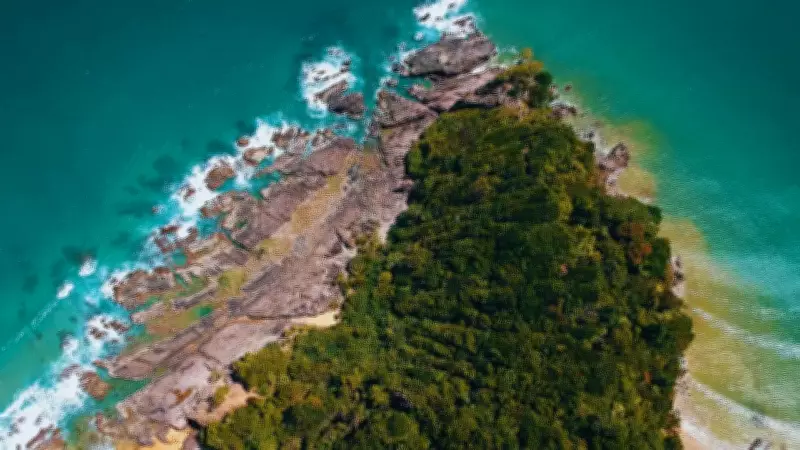
Ilha da Queimada Grande, commonly known as Snake Island, is arguably the most snake-dense location on Earth. Situated approximately 35 kilometers from the São Paulo coastline, this island appears as a lush tropical paradise at first glance. Yet, beneath its verdant exterior lies one of the world's most treacherous ecosystems.
The island's fearsome reputation stems from its exceptionally high population of snakes, which has been documented in numerous studies and documentaries. It is considered uninhabitable for humans, adding to its legendary status.
The Evolutionary Tale of Snake Island
The abundance of snakes on Ilha da Queimada Grande is no accident; it results from a fascinating interplay of geography and evolution. Thousands of years ago, rising sea levels isolated the island from the Brazilian mainland. This separation freed the snakes from predators and competitors, forcing them to adapt to a new environment where migratory birds became their primary food source.
To survive, the snakes developed highly potent venom capable of rapidly paralyzing birds. This adaptation was crucial for their sustenance, as failure to secure food meant starvation in this isolated habitat.
The Golden Lancehead Viper: A Unique Predator
Snake Island is the exclusive natural habitat of the golden lancehead viper, a rare and extremely venomous species. Its venom is significantly more potent than that of its mainland relatives, evolved to act swiftly on avian prey. While human encounters are rare due to restricted access, this viper has played a pivotal role in cementing the island's notorious reputation.
Assessing the Danger of Snake Island
Snake Island is shrouded in myths, but the truth is equally compelling. While areas of high snake density exist, exaggerated claims like "a snake per square meter" are likely unfounded. The real danger lies in the prevalence of venomous species, prompting the Brazilian government to impose strict regulations. Only authorized personnel, such as researchers and naval officers, are permitted to visit, ensuring safety and conservation efforts.
Beyond Danger: Ecological Significance
Ilha da Queimada Grande is more than just a hazardous locale; it serves as a vital ecological showcase. The island illustrates dramatic evolutionary processes and the delicate balance of nature, where minor geographical shifts can lead to significant biological changes. Additionally, it is crucial for the conservation of the golden lancehead viper, as this species is found nowhere else on the planet.
Conclusion: Does Brazil Deserve the Title?
So, does Brazil qualify as the "Land of Snakes"? Officially, no country holds this title, but Brazil's claim is strengthened by the presence of Snake Island. It is not merely the diversity of snakes across the nation but the unique, snake-dominated ecosystem of Ilha da Queimada Grande that makes Brazil a standout candidate in this informal designation.






