WHO Chief Tedros Issues Urgent Warning on Nuclear Strikes in Middle East
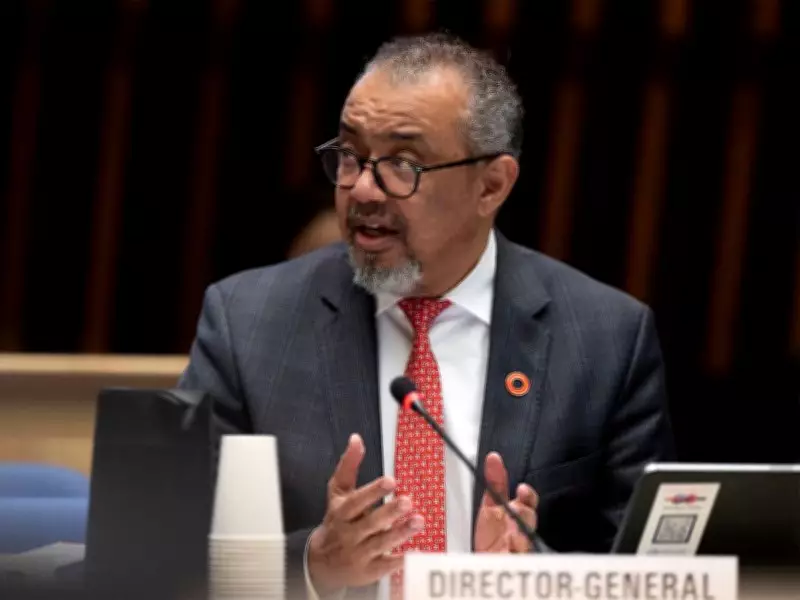
World Health Organisation (WHO) Director-General Tedros Adhanom Ghebreyesus has made a fervent appeal for peace and restraint as the conflict in the Middle East intensifies, with recent strikes targeting nuclear-related facilities in Israel and Iran. In a statement released on Sunday, March 22, 2026, Tedros emphasized that such actions pose an escalating threat to public health and environmental safety, urging all parties to avoid further escalation.
Strikes Near Nuclear Sites Raise Alarm
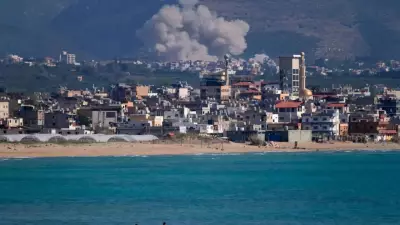
In a post on social media platform X, Tedros highlighted the perilous stage of the war, noting reports of strikes hitting the Natanz Enrichment Complex in Iran and the Israeli city of Dimona, home to a nuclear facility. He stated, "The war in the Middle East has reached a perilous stage with strikes reportedly hitting the Natanz Enrichment Complex in Iran, and the Israeli city of Dimona, where a nuclear facility is located." The International Atomic Energy Agency (IAEA) is currently investigating these incidents, with no abnormal radiation levels reported so far, but the potential for disaster remains high.
Health and Environmental Risks Amplified
Tedros warned that attacks on nuclear sites create a significant and growing danger to public health and the environment. He explained, "Attacks targeting nuclear sites create an escalating threat to public health and environmental safety." In response, the WHO has proactively trained its staff and United Nations personnel across 13 countries to prepare for possible health emergencies related to nuclear incidents, ensuring a swift and effective response if needed.

Call for De-escalation and Peace
Urging all sides to exercise maximum military restraint, Tedros called for actions to prevent nuclear incidents. He said, "I urgently call on all parties to exercise maximum military restraint and avoid any actions that could trigger nuclear incidents. Leaders must prioritise de-escalation and protect civilians." In a broader appeal, he added, "Peace is the best medicine," underscoring the critical need for diplomacy and calm in the region.
Background on Recent Attacks
The Iranian attacks reportedly came in response to a strike on the Natanz nuclear facility earlier in the day, which Iran blamed on a joint US-Israeli operation—an allegation Israel has denied. Iranian military spokespeople claimed their missiles targeted strategic objectives but did not dispute that civilian areas were impacted. Meanwhile, Israeli Prime Minister Benjamin Netanyahu held talks with the Mayor of Arad, Yair Maayan, offering prayers for the injured.
The Israeli Foreign Ministry reported that over 100 people, including children, were injured in the attacks, describing the strikes as "a blatant war crime" and "pure terrorism." This escalation highlights the urgent need for international intervention to prevent further humanitarian crises and potential nuclear disasters in the volatile Middle East region.