World Health Organization Announces Significant Reduction in Emergency Funding Appeal for 2026
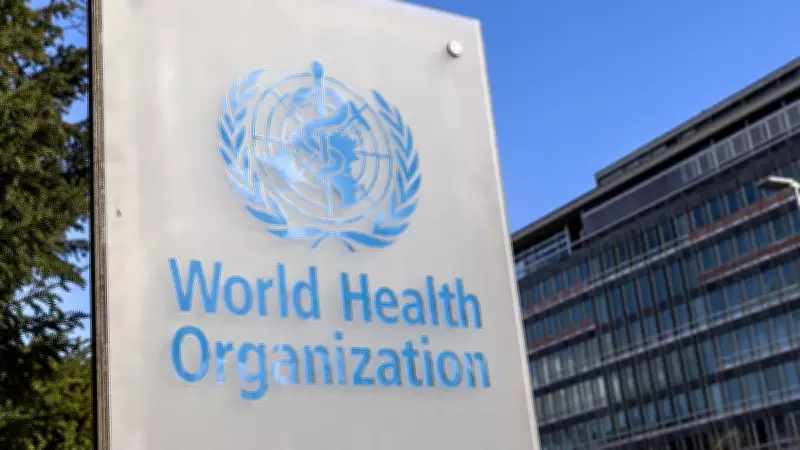
The World Health Organization has made a substantial adjustment to its financial requirements for global health emergencies, announcing a significant reduction in its funding appeal for the upcoming year. The international health body has cut its emergency funding request by approximately one-third, bringing the total down to $1 billion for 2026. This strategic decision represents a major shift in how the organization plans to allocate its limited resources during a period of multiple simultaneous global crises.
Strategic Focus on High-Impact Interventions
During a crucial briefing held in Geneva on Tuesday, WHO Executive Director Chikwe Ihekweazu explained the rationale behind this substantial funding reduction. 'We're implementing a more targeted approach that focuses our resources where they can have the greatest impact,' Ihekweazu stated. 'Our revised strategy prioritizes those populations most in need and interventions where we can save the most lives with available funding.'
The executive director emphasized that this decision reflects a careful assessment of global needs versus available resources, rather than a decrease in humanitarian requirements worldwide. The organization has conducted extensive analysis to identify where limited funds can achieve maximum health outcomes during emergencies.

Allocation to 36 Critical Emergency Situations
The revised $1 billion funding will be strategically distributed across 36 specific emergency situations that WHO has identified as requiring immediate attention and intervention. Among the highest priority crises receiving funding allocation are:
- The ongoing humanitarian catastrophe in Gaza
- The protracted conflict and health crisis in Sudan
- The continuing health emergency in Ukraine
These three situations represent some of the most severe health emergencies currently affecting populations globally, with millions of people requiring urgent medical assistance, disease prevention, and health system support.
Context of Multiple Simultaneous Global Crises
The funding reduction comes at a time when the world faces an unprecedented number of overlapping health emergencies, including:
- Armed conflicts displacing millions and destroying health infrastructure
- Climate-related health emergencies affecting vulnerable populations
- Ongoing pandemic preparedness and response requirements
- Nutritional crises in multiple regions
Despite these numerous challenges, WHO leadership has determined that a more focused, prioritized approach will yield better health outcomes than spreading resources too thinly across all identified needs. The organization faces the difficult task of balancing immediate response requirements with longer-term health system strengthening in crisis-affected regions.
Implications for Global Health Response
This funding adjustment signals a potential shift in how international health organizations approach emergency response during periods of constrained resources. The decision reflects several important considerations:
- Donor fatigue affecting traditional funding sources
- Competing priorities among multiple global crises
- Operational efficiency requirements for maximum impact
- Accountability demands from member states and donors
The Geneva briefing provided member states and potential donors with transparency about WHO's revised approach to emergency funding, while emphasizing the continued critical need for support in the most severe health crises affecting vulnerable populations worldwide.