Global Corruption Index 2025: Nations Struggling with Governance and Transparency
Corruption remains a pervasive challenge undermining governance, economic stability, and public trust worldwide. It erodes democratic foundations, stifles economic opportunities, and diminishes citizen welfare across numerous countries. To monitor and address this issue, the anti-corruption watchdog Transparency International annually publishes the Corruption Perceptions Index (CPI), a critical tool for assessing public sector corruption.
The latest CPI for 2025, released in early 2026, evaluates 182 countries and territories on a scale from 0 (highly corrupt) to 100 (very clean). This index relies on data from various independent sources to gauge perceived levels of corruption. The 2025 findings underscore that weak institutions and ongoing crises create fertile ground for corruption to thrive. Here, we delve into the 10 countries ranked as the most corrupt in the world according to this authoritative index.
South Sudan: A Nation Plagued by Instability
At the bottom of the ranking is South Sudan, the world's youngest nation. Since gaining independence in 2011, it has been mired in civil wars, leading to political instability and weak governance. Despite international assistance and government efforts to combat corruption, it remains deeply entrenched in the nation's political and administrative systems, hindering progress and development.

Somalia: Decades of Turmoil and Corruption
Somalia shares the same low ranking as South Sudan. For decades, the country has faced political instability, though recent strides have been made in rebuilding political and financial management systems. However, corruption persists as a major concern, exacerbated by weak governance, limited institutional capacity, and persistent security issues that obstruct the creation of a transparent political environment.
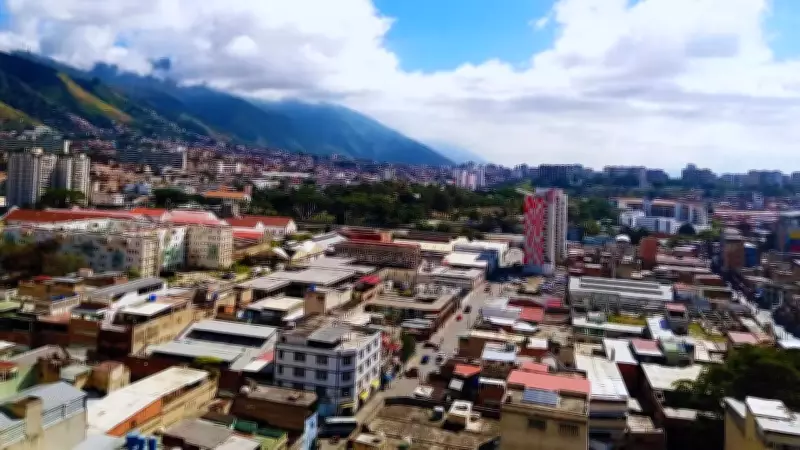
Venezuela: From Wealth to Crisis
Once among Latin America's wealthiest nations due to its abundant oil resources, Venezuela has endured a severe political and economic crisis over the past decade. Corruption scandals involving government institutions and industries have dominated headlines. The country's low ranking stems from weak checks and balances, loss of institutional independence, and the ongoing economic turmoil that fuels corrupt practices.
Yemen: Conflict and Humanitarian Crisis
Yemen has been engulfed in a prolonged and severe conflict that has severely weakened government structures. The resulting humanitarian crisis has created an environment where corruption can thrive unchecked. With fragile governance, efforts to combat corruption face immense challenges, further destabilizing the nation.
Libya: Fragmented Governance
Since the fall of its previous regime in 2011, Libya has been characterized by political fragmentation and competing administrations. Rival power centres and ongoing instability have eroded institutional control, making it difficult to establish effective anti-corruption measures and transparent governance.
Eritrea: Centralized Power and Lack of Oversight
Eritrea's highly centralized political system raises significant concerns regarding corruption risks. The absence of checks and balances, coupled with limited civil liberties and press freedom, contributes to a high perception of corruption. This opaque governance structure hinders accountability and transparency.
Sudan: Political and Economic Hurdles
Sudan's political and economic challenges have severely impacted anti-corruption efforts. While recent political changes have offered opportunities for reform, persistent obstacles have hindered the development of a transparent regulatory environment, allowing corruption to persist.
Nicaragua: Democratic Backslide and Corruption
Nicaragua ranks among the lowest in the index due to concerns over democratic backslide. The political system, characterized by a lack of checks and balances, is cited as a major factor driving corruption risk, undermining governance and public trust.

Syria: A Decade of Conflict and Corruption
Over a decade of conflict has crippled Syria, making transparent governance extremely difficult. The prolonged war has created conditions ripe for corruption and economic crimes, posing significant challenges to establishing accountable institutions.
North Korea: Opacity and Limited Data
North Korea's political system is notoriously opaque, with little known about its government operations. While concerns about corruption exist, limited access to data makes assessment challenging. However, based on global indices, North Korea is consistently ranked among the most corrupt countries, reflecting its secretive and unaccountable governance.
The 2025 Corruption Perceptions Index serves as a stark reminder of the global struggle against corruption. It highlights how factors like conflict, weak institutions, and governance failures perpetuate corrupt practices, urging international cooperation and robust reforms to foster transparency and integrity worldwide.