Viral Video Sparks Claims of Pakistani F-16 Shot Down by Afghan Forces
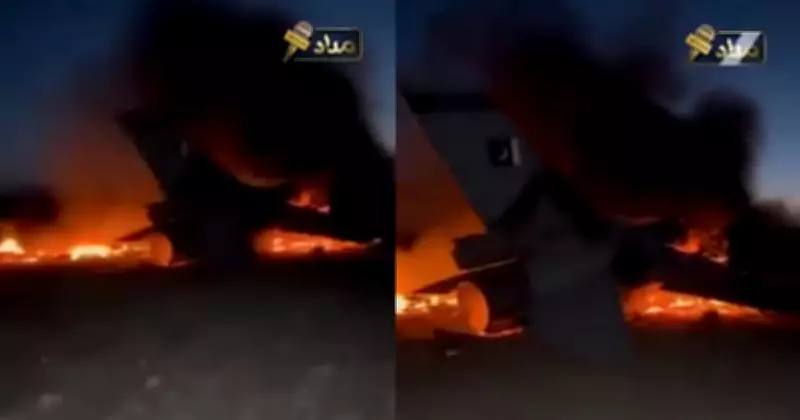
A video circulating widely on social media platforms has ignited a flurry of speculation and debate regarding a potential military incident between Pakistan and Afghanistan. The footage, shared by an account named Afghanistan Defense on February 27, 2026, purportedly shows the wreckage of a downed aircraft, claimed to be a Pakistani F-16 fighter jet shot down by Afghan defensive forces.
Claims and Counterclaims in the Digital Sphere
The post accompanying the video made a bold assertion: "This is a Pakistani military F-16, American-made, that Afghan defensive forces have shot down." This statement quickly garnered attention across various online forums and news aggregators, with many users sharing the clip under sensational headlines. However, the rapid spread of the video has been met with immediate skepticism from military analysts and open-source intelligence communities.
Initial assessments of the footage have raised significant doubts about its veracity. Experts examining the shape and size of the aircraft visible in the video have noted that it does not closely resemble the distinctive profile of an F-16 Fighting Falcon, a multirole fighter aircraft operated by the Pakistan Air Force. The discrepancies in the visual details have led many to question whether the video depicts an F-16 at all or if it might be misidentified or digitally altered.

Technical Analysis and Authenticity Concerns
Further scrutiny has been applied to the video's metadata and content. Analysts have pointed out that the quality and angle of the footage make definitive identification challenging. The F-16 is known for its specific design features, including its single-engine configuration, bubble canopy, and distinctive air intake. The aircraft in the viral video appears to lack several of these key characteristics, casting doubt on the initial claim.
Moreover, the context and location of the incident remain unclear. No official confirmation has been provided by either the Pakistani or Afghan governments regarding such an event. The absence of corroborating reports from reliable military sources or international monitoring agencies adds to the uncertainty surrounding the video's authenticity.
Social Media's Role in Spreading Unverified InformationThe rapid dissemination of the video highlights the ongoing challenge of misinformation in conflict zones. Platforms like X (formerly Twitter) often become arenas for propaganda and unverified claims, especially in regions with existing tensions. The account sharing the video, Afghanistan Defense, does not have a verified status, and its history of posts suggests a pattern of sharing content supportive of Afghan nationalist narratives.
This incident underscores the importance of critical media literacy and the need for cross-referencing information with official statements or trusted news outlets before accepting such claims as fact. The viral nature of the video demonstrates how quickly unverified content can gain traction, potentially influencing public perception and diplomatic relations.
Regional Implications and Historical Context
Pakistan and Afghanistan share a long and porous border, with a history of cross-border tensions and occasional military skirmishes. The relationship between the two neighbors has been complex, involving issues related to terrorism, refugee movements, and territorial disputes. Any alleged incident involving military aircraft would have significant diplomatic and security ramifications.
However, given the lack of official confirmation and the questionable authenticity of the video, it remains unclear whether any such event actually occurred. Military experts advise caution, noting that similar videos have surfaced in the past, often later debunked as misidentified or fabricated content.