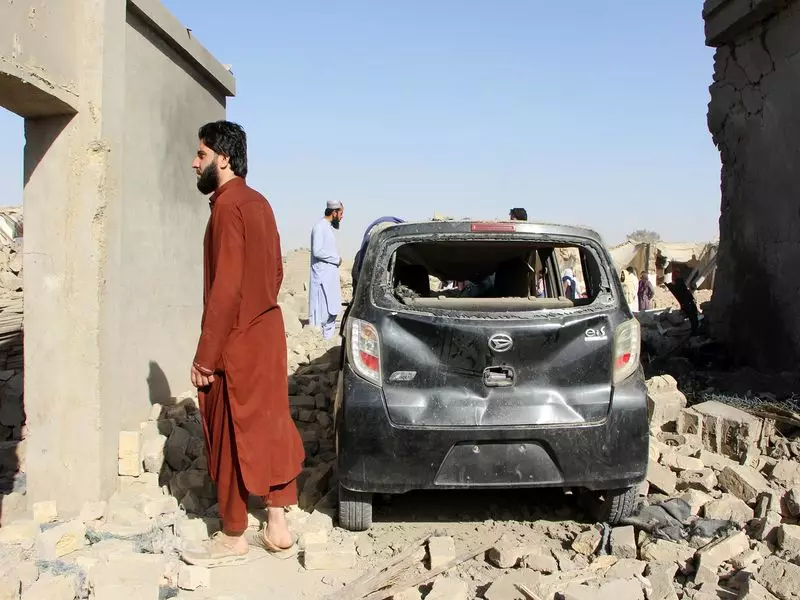
High-stakes peace negotiations between Afghanistan and Pakistan have reached a complete deadlock, with both sides failing to make any breakthrough in their discussions aimed at resolving long-standing security issues. The talks, which were seen as crucial for regional stability, collapsed over fundamental disagreements regarding cross-border terrorism and the activities of militant groups operating from Afghan soil.
Fundamental Disagreements Derail Negotiations
The peace dialogue between the two neighboring nations hit an impasse primarily due to Pakistan's firm stance on the presence and operations of the banned Tehreek-e-Taliban Pakistan (TTP) from Afghan territory. Islamabad presented concrete evidence of TTP militants using Afghan soil to launch attacks against Pakistani security forces and civilians. This evidence included detailed intelligence about TTP sanctuaries and training camps operating within Afghanistan's borders.
Despite multiple rounds of discussions, the Afghan interim government, led by the Taliban, showed unwillingness to address Pakistan's core security concerns. The Afghan side refused to take decisive action against TTP elements or acknowledge the group's presence and activities within their territory. This fundamental disagreement created an insurmountable obstacle in the negotiation process.

Escalating Cross-Border Tensions
The breakdown in talks comes amid increasing cross-border skirmishes and diplomatic tensions between the two countries. Pakistan has repeatedly expressed its concerns about the safe havens enjoyed by TTP militants in Afghanistan, while the Afghan Taliban leadership has consistently denied these allegations.
Recent months have witnessed a significant escalation in terrorist attacks in Pakistan's border regions, particularly in Khyber Pakhtunkhwa and Balochistan provinces. Pakistani security officials have documented numerous incidents where militants crossed from Afghanistan to carry out attacks on military installations and civilian targets. The failure of peace talks indicates that these security challenges are likely to persist in the foreseeable future.
Regional Implications and Future Prospects
The collapse of Afghanistan-Pakistan peace negotiations has significant implications for regional security dynamics. Both nations now face the prospect of continued instability along their shared 2,670-kilometer border, known as the Durand Line. The diplomatic stalemate could potentially lead to further deterioration in bilateral relations and increased military confrontations.
Regional powers and international observers have been closely monitoring these talks, hoping for a resolution that would contribute to stability in South Asia. The failure to reach any agreement represents a major setback for peace efforts in the region and underscores the complex challenges facing Afghanistan-Pakistan relations under the Taliban government.
With no immediate prospects for resuming dialogue, both countries appear to be preparing for prolonged tensions. The deadlock in peace talks reflects the deep-seated mistrust and conflicting security priorities that have characterized Afghanistan-Pakistan relations for decades, now further complicated by the Taliban's return to power in Kabul.