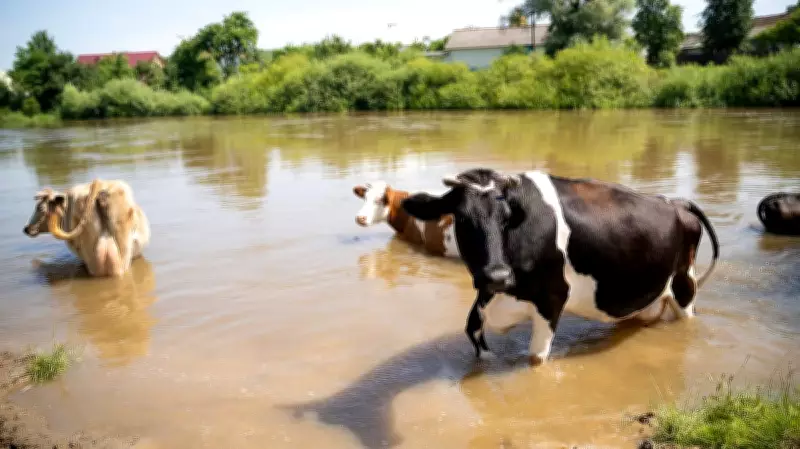
Livestock Loss Slows Recovery and Increases Costs
When livestock are lost in disasters, recovery is often slower and more expensive. Households are left to rebuild productive assets from scratch, often through debt, with impacts that can span multiple agricultural cycles, according to Suryaprabha Sadasivan writing in an opinion piece.
Economic and Social Toll on Farming Communities
The loss of cattle, goats, and other animals not only deprives families of immediate income from milk, meat, and labor but also undermines long-term livelihood stability. Farmers may take years to regain their pre-disaster herd size, and the financial burden of replacing animals often forces them into high-interest loans.
Moreover, the psychological impact on animal-dependent communities is profound, as livestock are often considered part of the family. The National Disaster Management Authority (NDMA) has emphasized the need for inclusive planning that addresses the needs of animals in evacuation and relief efforts.

Call for Policy Change
Experts argue that disaster management protocols should include provisions for animal shelter, feed, and veterinary care. Without such measures, the cycle of poverty and vulnerability continues. Sadasivan notes that integrating animal welfare into disaster planning is not just a matter of compassion but a practical step to ensure faster economic recovery for rural households.