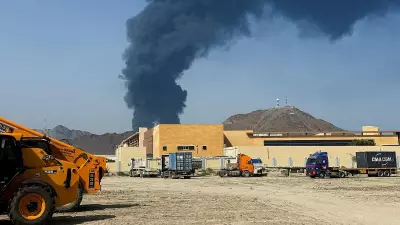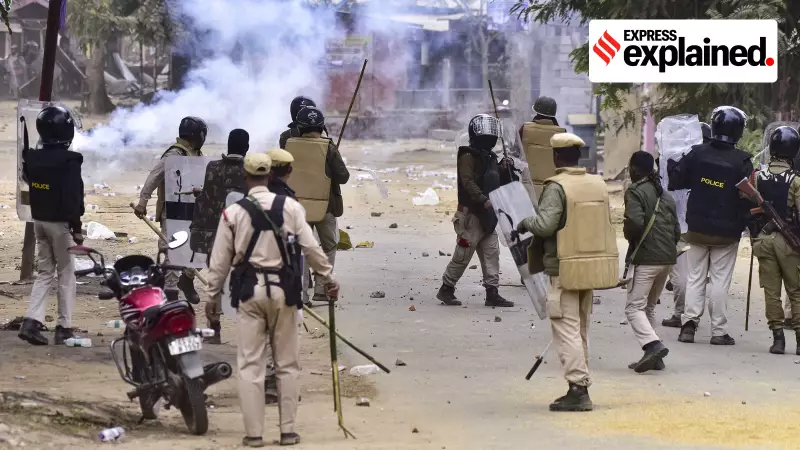
Fresh violence erupted in Assam's West Karbi Anglong district on Tuesday, December 23, 2025, resulting in two fatalities and injuries to dozens, including police personnel. The unrest, centered in the Kheroni area, led to arson attacks on shops and markets, prompting authorities to suspend mobile internet services and impose prohibitory orders across both Karbi Anglong and West Karbi Anglong districts.
Immediate Trigger: Hunger Strike and Escalation
The immediate catalyst for the violence was a hunger strike, ongoing for over two weeks, at Phelangpi in West Karbi Anglong. Nine individuals were on a fast-unto-death, demanding the eviction of "encroachers" from PGR (Professional Grazing Reserve) and VGR (Village Grazing Reserve) lands within the Karbi Anglong Autonomous Council (KAAC) area. These reserved lands are meant for livestock grazing, a system dating back to British rule.
On Monday, December 22, the protesters were removed from their site by authorities. IGP (Law and Order) Akhilesh Singh stated they were taken to Guwahati for medical care due to their deteriorating health after 15 days of fasting. However, the local perception was that the activists had been arrested. This misunderstanding sparked widespread anger, leading to incidents of stone-pelting and arson. Protesters set fire to the ancestral home of KAAC Chief Executive Member and BJP leader Tuliram Ronghang in Dongkamukam.

Historical Roots of the Karbi Anglong Conflict
The dispute is deeply rooted in the region's history and constitutional framework. West Karbi Anglong, a tribal-majority hill district, is governed by the KAAC under the special provisions of the Sixth Schedule of the Constitution, which grants autonomy and protections for tribal land and self-governance.
The area has a long history of insurgency, with Karbi groups originally demanding a separate state and later settling for greater autonomy. The current anger against 'outsiders'—settlers often from Bihar, Uttar Pradesh, and Nepal who claim decades-long residence—on grazing lands stems from this backdrop. Karbi tribal bodies have persistently demanded their eviction.
In February 2024, following agitation, CEM Tuliram Ronghang announced evictions from these reserved lands. He cited figures of 1983 "illegal settler" families in Hawaipur mouza and 103 in Phuloni circle. The protests at that time were triggered by a memorandum from a Bihari Nonia community outfit to President Droupadi Murmu, seeking legalization of settlers on these lands. However, the evictions were not executed. Ronghang attributed the delay to an ongoing Public Interest Litigation (PIL) in the Gauhati High Court, stating that proceeding would amount to contempt of court.
Aftermath and Ongoing Tensions
The situation in the region remains tense. Security personnel have been heavily deployed in Kheroni and other sensitive areas to maintain law and order. The suspension of internet services and prohibitory orders under Section 144 are aimed at preventing the spread of rumors and further mobilization of groups. The core issue of land rights and settlement in the protected Sixth Schedule areas remains unresolved, continuing to be a volatile flashpoint in Assam's complex socio-political landscape. The state government and KAAC authorities face the challenging task of balancing legal processes, tribal rights, and the humanitarian aspects of long-term settlers.