

Escalating Violence in Balochistan Draws Strong Government Response
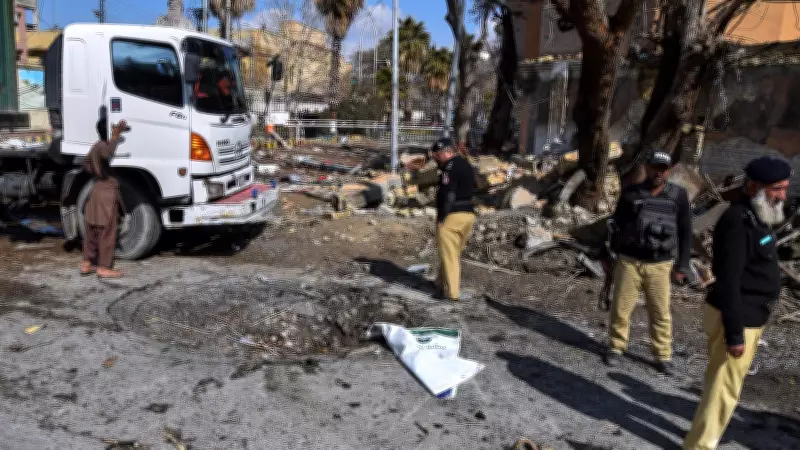
Pakistan's southwestern province of Balochistan has witnessed a concerning uptick in militant violence, with recent attacks leading to a significant death toll and prompting urgent responses from top government officials. The region, long plagued by insurgency and separatist movements, is facing renewed security challenges that have put authorities on high alert.
Details of the Recent Attacks and Casualties
According to reports, multiple incidents orchestrated by militant groups have rocked Balochistan, resulting in numerous fatalities and injuries. The Balochistan Liberation Army (BLA), a prominent separatist organization, has been implicated in these assaults, which targeted security forces and infrastructure. The precise number of casualties varies, but initial assessments indicate a substantial impact, underscoring the volatile security situation in the province.
Local media and security sources describe the attacks as coordinated and brutal, involving explosives and armed confrontations. These events have not only caused loss of life but also disrupted daily activities, heightening fears among residents about ongoing instability. The BLA, known for its demands for greater autonomy or independence for Balochistan, has claimed responsibility for some of these operations, citing grievances over resource exploitation and political marginalization.

Government Condemnation and Pledges of Action
In response to the escalating violence, Pakistan's Interior Minister, Mohsin Naqvi, has issued a strong condemnation of the attacks. Naqvi emphasized the government's commitment to maintaining law and order, vowing to take decisive measures against militant elements operating in Balochistan. His statements highlight a renewed focus on counter-terrorism efforts and regional stability, with promises to enhance security protocols and intelligence operations.
Other officials, including provincial leaders and security chiefs, have echoed these sentiments, calling for unity and resilience in the face of terrorism. They have assured the public that steps are being taken to prevent future incidents and bring perpetrators to justice. This governmental stance reflects broader national concerns about the impact of such violence on Pakistan's internal security and its implications for regional peace.
Broader Context and Implications for Balochistan
Balochistan, Pakistan's largest province by area, has a history of conflict rooted in ethnic tensions, economic disparities, and political disputes. The recent attacks are part of a longer pattern of militancy that has strained relations between the central government and local populations. Factors contributing to the unrest include:
- Resource Disputes: Allegations of unfair distribution of natural resources, such as minerals and gas, have fueled separatist sentiments.
- Political Marginalization: Many Baloch groups feel underrepresented in national decision-making processes.
- Security Operations: Past military campaigns have sometimes exacerbated tensions, leading to cycles of violence.
The current surge in attacks underscores the need for comprehensive strategies that address both security and socio-economic issues. Experts suggest that without tackling underlying grievances, militant activities may persist, posing risks to Pakistan's stability and its efforts to foster development in the region.
Looking Ahead: Challenges and Potential Solutions
As Pakistan grapples with this crisis, the path forward involves balancing immediate security responses with long-term diplomatic and developmental initiatives. Key challenges include:

- Enhancing Intelligence: Improving surveillance and coordination to preempt attacks.
- Engaging in Dialogue: Exploring peaceful negotiations with moderate factions to reduce hostilities.
- Boosting Economic Opportunities: Investing in infrastructure and job creation to alleviate poverty and discontent.
The international community is closely monitoring the situation, given Balochistan's strategic location and its role in regional dynamics. While the government's firm stance, as articulated by Mohsin Naqvi, signals a resolve to combat militancy, sustainable peace will likely require a multi-faceted approach that goes beyond military action.
In summary, the recent militant attacks in Balochistan have highlighted ongoing security vulnerabilities, with significant casualties and a strong governmental condemnation. As officials like Interior Minister Naqvi pledge action, the province remains a critical flashpoint in Pakistan's broader struggle against insurgency and for national cohesion.





