Balochistan Province Grapples with Rising Unrest and Security Concerns
Pakistan's southwestern province of Balochistan is currently facing a significant escalation in unrest, with a series of recent incidents underscoring deep-seated security challenges and political tensions in the region. This vast and resource-rich area has long been a hotspot for separatist movements and ethnic conflicts, but recent developments suggest a troubling intensification of violence and instability.
Recent Attacks Highlight Security Vulnerabilities
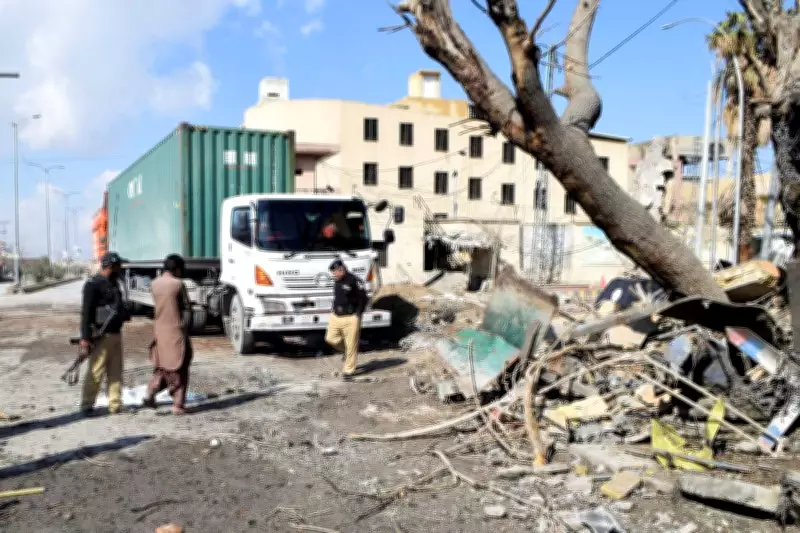
In the past few weeks, Balochistan has witnessed multiple attacks targeting security forces and critical infrastructure. These incidents include ambushes on military convoys, bombings in urban centers, and assaults on government installations. The frequency and sophistication of these attacks have raised alarms among Pakistani authorities and international observers alike. Security personnel have reportedly suffered casualties, and there have been disruptions to daily life and economic activities in affected areas.
Root Causes of the Ongoing Conflict
The unrest in Balochistan is rooted in a complex web of historical, political, and economic factors. Key issues fueling the conflict include:

- Separatist Demands: Various Baloch nationalist groups have been advocating for greater autonomy or outright independence from Pakistan, citing perceived marginalization and exploitation of the province's natural resources.
- Economic Disparities: Despite Balochistan's wealth in minerals and natural gas, many residents feel that the benefits are not equitably distributed, leading to widespread discontent and grievances.
- Ethnic Tensions: The province is home to diverse ethnic groups, including Baloch, Pashtun, and others, with historical tensions sometimes flaring into violence.
- External Influences: Regional dynamics and alleged cross-border support for insurgent groups have further complicated the security landscape.
Government Response and Regional Implications
The Pakistani government has responded to the escalating situation with a mix of military operations and political outreach. Security forces have been deployed to quell the violence, while there have been calls for dialogue to address the underlying grievances. However, these efforts have met with limited success so far, as attacks continue to occur sporadically across the province.
The instability in Balochistan has broader implications for regional security. Neighboring countries, including Iran and Afghanistan, are closely monitoring the situation due to potential spillover effects. Moreover, the province's strategic location along key trade routes, such as the China-Pakistan Economic Corridor (CPEC), adds an economic dimension to the conflict, with concerns about disruptions to infrastructure projects and international investments.
Humanitarian and Social Impact
The ongoing unrest has taken a toll on the civilian population in Balochistan. Reports indicate that:
- Many residents face displacement and insecurity, with some areas becoming increasingly difficult to access for aid and services.
- Educational institutions and healthcare facilities have been affected, limiting access to essential services for local communities.
- The climate of fear and violence has hindered economic development and exacerbated poverty in one of Pakistan's least developed regions.
Human rights organizations have raised concerns about alleged abuses by both security forces and insurgent groups, calling for greater accountability and protection for civilians.
Looking Ahead: Challenges and Prospects
As Balochistan continues to grapple with these challenges, the path forward remains uncertain. Key factors that will influence the future include:

- The effectiveness of Pakistan's security strategies in curbing violence while addressing root causes through political and economic reforms.
- The willingness of separatist groups to engage in meaningful dialogue and the international community's role in facilitating peace efforts.
- The impact on regional stability, particularly in light of geopolitical rivalries and economic interests tied to Balochistan's resources.
In summary, the trouble in Balochistan represents a multifaceted crisis with significant implications for Pakistan and beyond. While immediate security measures are necessary, long-term solutions will require addressing the deep-seated grievances and inequalities that fuel the conflict. The situation demands urgent attention from policymakers and stakeholders to prevent further escalation and promote sustainable peace in the region.