The Indian government is facing a severe shortage of bitumen due to the ongoing conflict in West Asia, which is expected to hamper the construction and maintenance of tar roads. The price of VG-40, the most commonly used grade of bitumen, has nearly doubled since the conflict began, while its availability has plummeted compared to the estimated requirement of around six lakh tonnes needed for highway projects alone by July 15, as reported by Dipak Dash.
Impact on Highway Construction
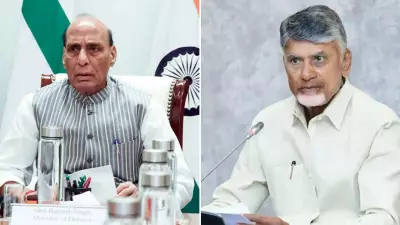
Industry insiders reveal that although crude oil availability in the country remains comfortable due to imports of Russian oil, this has not improved bitumen supply. Sweet crude from Russia cannot produce the bitumen grade suitable for Indian weather conditions. The shortage issue was also flagged at the last meeting of the informal Group of Ministers, headed by Defence Minister Rajnath Singh, highlighting how the non-availability of the required quality of bitumen has reduced the pace of highway construction to one-fourth in April.
Reasons Behind the Shortage
The West Asia conflict has disrupted global bitumen supply chains, as the region is a major producer. Indian refineries, which depend on crude oil blends from the Middle East for optimal bitumen yield, are now facing challenges. The sweet crude from Russia, while cheaper and abundant, lacks the necessary properties to produce VG-40 grade bitumen that can withstand India's extreme temperatures and heavy rainfall.

Consequences for Infrastructure
The slowdown in highway construction could delay several key infrastructure projects, including the Bharatmala Pariyojana and the National Highway Development Programme. The Ministry of Road Transport and Highways is exploring alternative solutions, such as importing bitumen from other sources or using modified binders, but these options are likely to be more expensive and time-consuming.
Industry experts warn that if the shortage persists, the government may need to prioritize road maintenance over new construction, potentially affecting the country's economic growth and connectivity. The situation underscores the vulnerability of India's infrastructure sector to global geopolitical events.