BLA Releases Disturbing Video of Captured Pakistani Soldiers
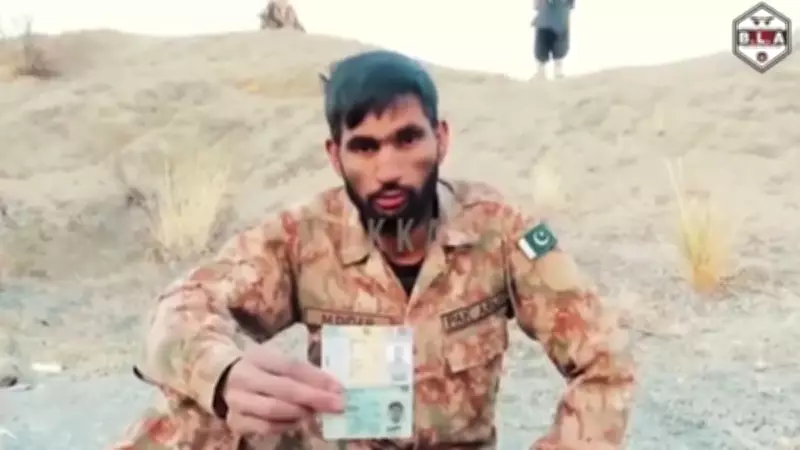
The Balochistan Liberation Army (BLA) has unleashed a highly provocative video depicting several captured Pakistani soldiers in a state of distress, pleading desperately for mercy and intervention. This alarming development comes as a critical deadline set by the militant group for the soldiers' fate looms ominously, intensifying the already volatile situation in the restive Balochistan region. The video, which has rapidly circulated across various platforms, shows the uniformed personnel appealing to Pakistani authorities and international bodies to secure their release, highlighting the severe human cost of the ongoing conflict.
Escalating Tensions in Balochistan
The release of this video marks a significant escalation in the long-standing insurgency led by the BLA against Pakistani state forces. Balochistan, Pakistan's largest province by area, has been a hotbed of separatist movements for decades, with groups like the BLA demanding independence and citing grievances over political marginalization and economic exploitation of the region's rich natural resources. This latest incident underscores the deepening crisis, as the militants leverage the captured soldiers as bargaining chips in their struggle.
In the video, the soldiers are seen in what appears to be a makeshift detention setting, their uniforms disheveled as they make emotional appeals. Their pleas are directed towards the Pakistani government, urging swift action to negotiate their safe return. The BLA has reportedly issued a deadline, though specifics regarding the exact timeframe and demands remain unclear, adding a layer of urgency and uncertainty to the situation. This tactic is not new in asymmetric warfare but has rarely been so publicly displayed in this conflict, potentially aiming to garner international attention and pressure Islamabad.

International and Regional Implications
The video's dissemination has sparked immediate reactions from various quarters. Human rights organizations have expressed grave concern over the treatment of the captives and called for their humane treatment and release. Meanwhile, the Pakistani military has yet to issue an official statement regarding the video or the soldiers' status, though past incidents suggest a likely stance of non-negotiation with militant groups. The timing of this release is particularly sensitive, given regional geopolitical dynamics and Pakistan's internal security challenges.
Analysts note that such videos serve multiple purposes for insurgent groups: they demoralize state forces, attract media coverage, and potentially sway public opinion. For the BLA, this move could be an attempt to reassert its relevance amid ongoing military operations by Pakistani forces in Balochistan. The province is strategically significant due to its location along the Arabian Sea and its role in projects like the China-Pakistan Economic Corridor (CPEC), making stability there a priority for both Pakistan and its allies.
Broader Context of the Balochistan Conflict
Balochistan's insurgency has roots in historical disputes over autonomy and resource distribution. The BLA and other groups accuse the central government of neglecting the region's development while extracting its minerals and gas. Over the years, the conflict has resulted in numerous casualties on both sides, with allegations of human rights abuses often surfacing. This video of captured soldiers adds a new dimension to the narrative, personalizing the conflict and potentially galvanizing support for either side.
As the deadline approaches, the international community watches closely. Countries with interests in the region, including China and neighboring Iran, may be monitoring developments due to implications for regional security and economic projects. The situation remains fluid, with the potential for further escalations if negotiations stall or military responses are triggered. Ultimately, this incident highlights the enduring and complex nature of the Balochistan conflict, where political solutions remain elusive amid cycles of violence and confrontation.