

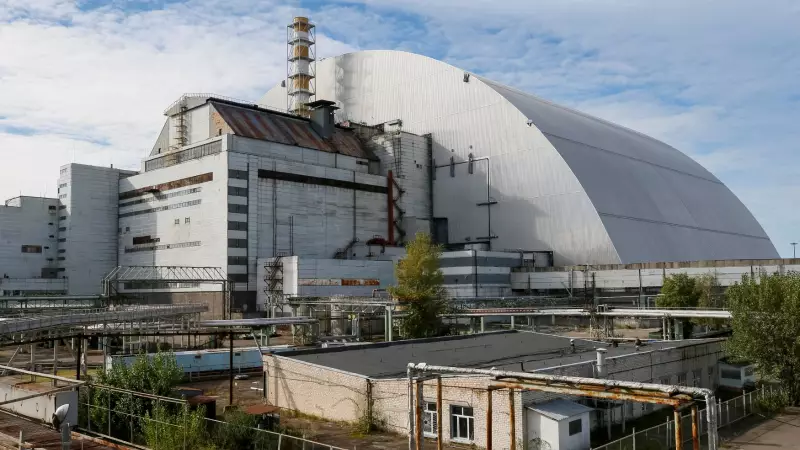
The protective shield built to contain the radioactive ruins of the Chernobyl nuclear power plant has stopped working effectively, the International Atomic Energy Agency (IAEA) has confirmed. This critical failure is a direct consequence of a drone strike that hit the facility in February, raising significant concerns about the potential for radiation to spread from the site of the world's worst nuclear disaster.
Drone Attack Triggers Critical Infrastructure Failure
The incident that led to this alarming situation occurred on February 26, 2024. During a wave of drone attacks across Ukraine, one drone struck the Chernobyl site, specifically impacting the New Safe Confinement (NSC) structure. This massive arch, also known as the "sarcophagus," was painstakingly constructed over the destroyed reactor number four and was only completed in 2019. Its primary function was to seal in the lethal radioactive debris for the next century, preventing further environmental contamination.
The drone strike damaged the infrastructure supporting the NSC's continuous monitoring systems. According to the IAEA, the attack severed the power lines and data cables that are vital for the structure's operation. These systems are responsible for monitoring the stability of the shelter, tracking radiation levels, and managing the ventilation that prevents dangerous corrosion inside. With these connections cut, the shield is now operating in a degraded state, essentially blind and unable to perform its core containment duties reliably.

IAEA Sounds the Alarm on Radiation Confinement
In a stark warning, the IAEA stated that it "cannot confirm the safe confinement of radioactive material" from the damaged reactor core. This declaration underscores the gravity of the situation. The NSC was designed as the final engineering solution for Chernobyl, a €1.5 billion project funded by the international community. Its failure, even if partial, reintroduces risks that were believed to be permanently managed.
The immediate dangers are multifaceted. First, without proper monitoring, any structural shift or damage to the original sarcophagus inside the NSC could go undetected. Second, the lack of controlled ventilation could lead to increased humidity, accelerating the corrosion of old structures and potentially releasing radioactive dust. While there is no indication of a massive, sudden release of radiation, the long-term integrity of the containment is now in question. The site's Ukrainian staff, who have heroically continued their work through the war, are operating under even more severe constraints and dangers.
Broader Implications for Nuclear Safety in Conflict Zones
This event at Chernobyl represents a chilling precedent. It marks the first time a conflict has directly caused the functional failure of a critical nuclear safety structure built to address a historical disaster. IAEA Director General Rafael Mariano Grossi has repeatedly emphasized the severe nuclear safety and security risks posed by the war in Ukraine. The Chernobyl incident is a concrete and troubling example of those warnings becoming reality.
The situation highlights the vulnerability of nuclear infrastructure during military conflicts. It also raises urgent questions about the maintenance and repair of the NSC. Conducting any repairs in the current wartime environment, within a highly radioactive zone, presents an almost insurmountable challenge. The international community now faces a renewed nuclear safety crisis at Chernobyl, a problem it had once considered solved. The continued conflict threatens to undo decades of complex and expensive remediation work, leaving a lingering shadow of radiation risk over the region.
The failure of the Chernobyl shield serves as a grim reminder that the consequences of the 1986 disaster are not yet consigned to history. They remain a present and active threat, one that has been dangerously amplified by ongoing warfare.






