

The protective shield built to contain radioactive material at the site of the Chernobyl nuclear disaster in Ukraine is no longer fully functional, according to a recent assessment by the United Nations' nuclear watchdog. The damage stems from a drone strike earlier this year, raising fresh concerns about the long-term safety of the area.
Drone Strike Compromises Critical Confinement Structure
The International Atomic Energy Agency (IAEA) stated that the New Safe Confinement (NSC) structure, a massive steel arch completed in 2019, was "severely damaged" in an attack on February 14. The agency's inspection last week confirmed that the barrier has "lost its primary safety functions, including the confinement capability." The strike reportedly triggered a fire and damaged exterior panels of the vital structure.
Ukraine has alleged that Russian forces were responsible for the incident, a charge the Kremlin has rejected. The NSC was originally installed to stabilise conditions at the site, nearly four decades after the world's worst nuclear power plant accident in 1986.

No Permanent Damage, But Urgent Repairs Needed
IAEA Director General Rafael Mariano Grossi clarified that while the confinement capability was degraded, the inspection found "no permanent damage to its load-bearing structures or monitoring systems." However, the agency has called for extensive and timely repairs to the steel enclosure to prevent further deterioration.
"Limited temporary repairs have been carried out on the roof, but timely and comprehensive restoration remains essential to prevent further degradation and ensure long-term nuclear safety," Grossi emphasized. The IAEA, which maintains personnel at Chernobyl, pledged to continue supporting efforts to fully restore the site's security.
Chernobyl: A Persistent Flashpoint
The Chernobyl site has been a focal point of tension since Russia's full-scale invasion of Ukraine began in February 2022. Russian forces occupied the plant and the exclusion zone for over a month during the initial push toward Kyiv.
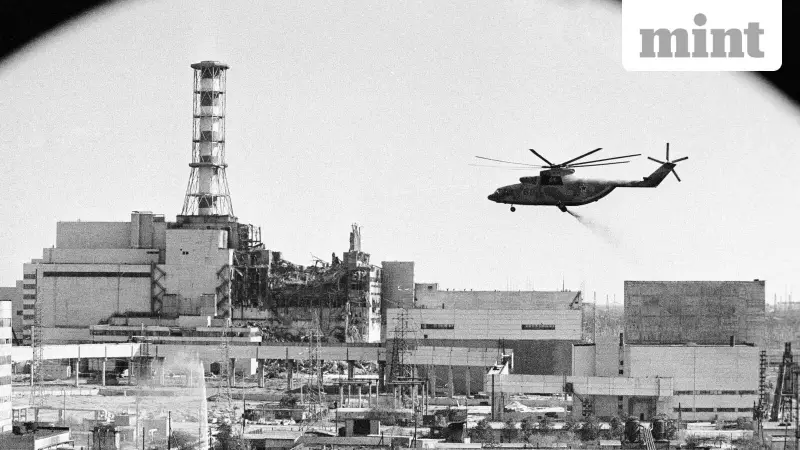
The NSC, considered the world's biggest movable land-based construction, was designed to last for a century. The 2.1 billion euro project, funded by over 45 international donors, was a landmark global nuclear safety initiative. It covers the damaged No. 4 reactor, where the explosion on April 26, 1986, released radiation across large parts of Ukraine, Belarus, Russia, and Europe.
The 1986 disaster resulted in the immediate deaths of over 30 people in Pripyat and has caused long-term health consequences, including elevated rates of cancer and birth defects in affected regions. The plant's last working reactor was shut down in 2000.






