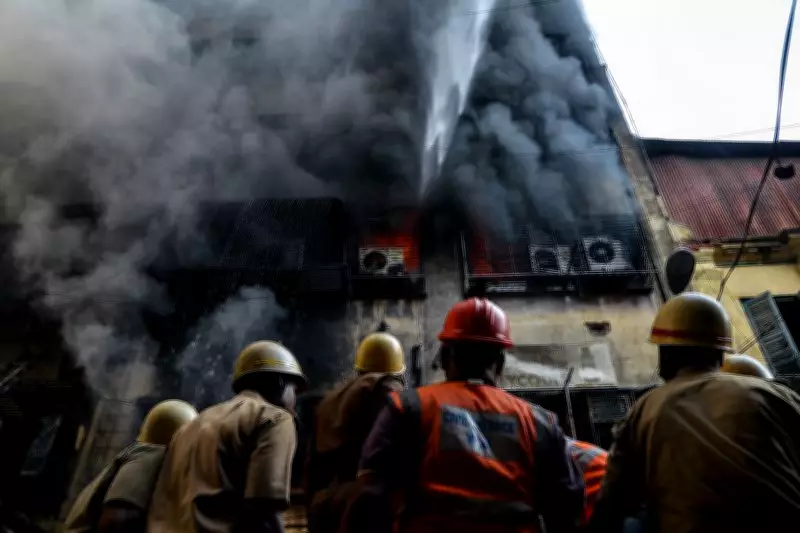
Courage Under Fire and a Free-for-All in Modern Warfare
In the tumultuous landscapes of contemporary conflict zones, acts of courage often emerge amidst a backdrop of chaos and disorder. The concept of a "free-for-all" has become increasingly prevalent, where traditional rules of engagement are blurred, and the distinction between combatants and civilians grows ever more ambiguous. This phenomenon raises critical questions about the nature of bravery and the ethical dimensions of modern warfare.
The Evolution of Conflict Dynamics
Historically, wars were often fought with clear frontlines and defined adversaries. However, in today's globalized world, conflicts have transformed into complex, multi-faceted struggles. Non-state actors, insurgent groups, and proxy forces now play significant roles, creating environments where violence can erupt unpredictably. This shift has led to a scenario where battles are no longer confined to specific arenas but spill over into civilian spaces, resulting in a free-for-all that endangers innocent lives.
The role of technology has further exacerbated this trend. Drones, cyberattacks, and social media propaganda have introduced new dimensions to warfare, making it easier for conflicts to spread rapidly and without clear boundaries. In such settings, courage is not just about physical bravery on the battlefield but also about moral fortitude in the face of pervasive fear and uncertainty.

Acts of Bravery in Chaotic Times
Despite the disorder, stories of courage under fire continue to inspire. From humanitarian workers risking their lives to deliver aid in war-torn regions to journalists reporting from the frontlines, individuals demonstrate remarkable resilience. These acts often occur in situations where there is little to no institutional support, highlighting the human capacity for altruism even in the most dire circumstances.
For instance, in recent conflicts, civilians have shown extraordinary bravery by sheltering strangers or standing up to armed groups, often at great personal risk. Such actions underscore the idea that courage can flourish even in a free-for-all, serving as a beacon of hope amid the turmoil.The Ethical Implications of Modern Conflicts
The blurring of lines in warfare poses significant ethical challenges. When conflicts become free-for-alls, it becomes difficult to hold perpetrators accountable for atrocities. International laws and conventions, such as the Geneva Conventions, are often flouted, leading to widespread human rights abuses. This environment demands a reevaluation of how courage is defined and recognized, moving beyond traditional military honors to include civilian acts of bravery.
- Increased civilian casualties: As conflicts spread into populated areas, non-combatants bear the brunt of the violence.
- Erosion of humanitarian norms: The chaos makes it harder to enforce protections for vulnerable groups.
- Psychological toll: The constant threat in a free-for-all setting leads to long-term trauma for survivors.
In conclusion, the interplay between courage under fire and the free-for-all nature of modern conflicts reveals a complex tapestry of human behavior. While chaos may reign, acts of bravery remind us of the enduring spirit of resilience. Addressing these issues requires global cooperation and a renewed commitment to upholding ethical standards in warfare.