In a significant security operation, Russia's Federal Security Service (FSB) announced it has thwarted a major sabotage attempt targeting a critical piece of the nation's energy infrastructure. The alleged plot was aimed at the Transneft–Druzhba oil pipeline, a vital artery for supplying oil to parts of Europe.
Teenagers Detained in Lipetsk Region
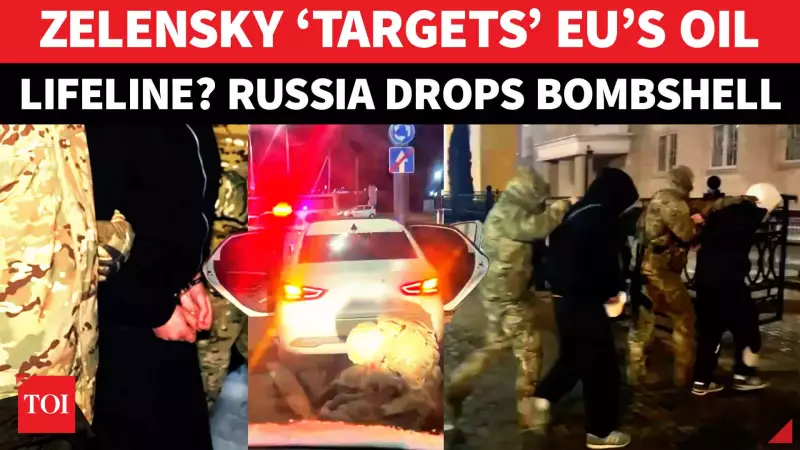
According to official statements from the FSB, the operation led to the detention of four minors aged between 14 and 17 years in the Lipetsk region of central Russia. The security service claims these teenagers were actively preparing to carry out an explosive attack on the pipeline. Investigators state that the suspects were in possession of homemade explosive devices and were scouting locations for their planned act of sabotage.
Allegations of Online Recruitment by Ukrainian Handlers
The FSB has presented a narrative where the detained youths were allegedly recruited remotely. Russian authorities assert that Ukrainian intelligence handlers contacted and recruited the teenagers online. The minors were reportedly promised payment for executing a series of destructive acts.

Their purported targets extended beyond the oil pipeline to include relay cabinets, transformer substations, and other key transport facilities. The FSB further alleges that the suspects received precise coordinates for hidden caches containing explosives to be used in their missions.
Severe Legal Consequences and International Silence
The legal repercussions for the accused are severe. Russian officials have confirmed that the detained teenagers now face potential prison sentences of up to 20 years for their alleged involvement in plotting attacks on critical infrastructure. As of the latest reports, Ukraine has not issued any official response or comment regarding these allegations made by the Russian security apparatus. The claims have added another layer of tension to the ongoing conflict between the two nations, highlighting the alleged use of unconventional warfare tactics targeting energy supplies.