

Rethinking the Future of Warfare: Why Technology Alone Cannot Secure Victory
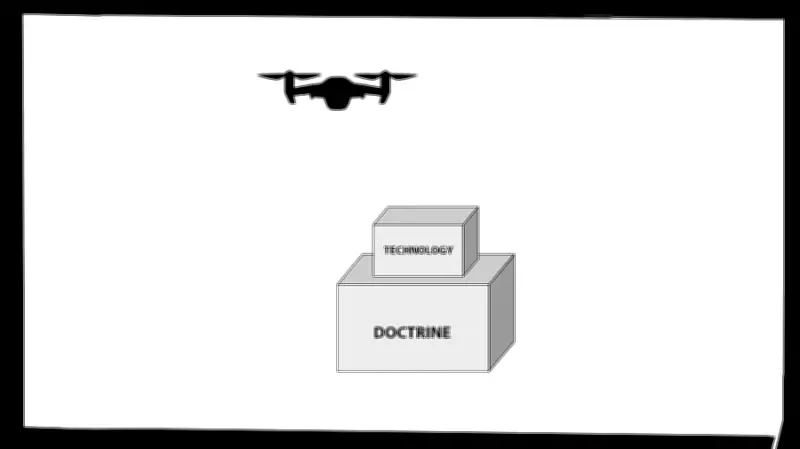
In a compelling analysis of modern military strategy, retired Lieutenant General Harinder Singh has issued a stark reminder that technological superiority, while essential, is insufficient to win wars. The future of conflict, he asserts, will be determined not by gadgets and systems alone but by the enduring pillars of sound doctrine, adaptable tactics, and a resilient military culture.
The Limitations of Technological Dominance
General Singh emphasizes that an over-reliance on advanced technology can create a false sense of security. Cutting-edge drones, cyber capabilities, and AI-driven systems are transformative tools, but they operate within frameworks established by human decision-making and strategic vision. Without a coherent doctrine to guide their use, these technologies risk being misapplied or rendered ineffective against asymmetric or unconventional threats.
Doctrine as the Strategic Backbone
Military doctrine provides the foundational principles and methods for employing forces in combat. It is the playbook that translates technological assets into operational success. General Singh argues that nations must continuously evolve their doctrines to integrate new technologies while maintaining flexibility to counter diverse adversaries. A static doctrine, no matter how technologically advanced, can be exploited by agile opponents.

Tactics: The Art of Adaptation on the Battlefield
Tactical innovation remains a critical component of warfare. Effective tactics leverage technology to achieve local objectives, but they require skilled leadership and training to execute. General Singh points out that history is replete with examples where technologically inferior forces prevailed through superior tactics, terrain knowledge, and psychological operations. In future conflicts, the ability to adapt tactics in real-time will be as valuable as any hardware.
Cultivating a Decisive Military Culture
Perhaps the most intangible yet vital element is military culture. This encompasses values, traditions, morale, and the warrior ethos that motivate troops. A culture that fosters initiative, resilience, and ethical conduct can compensate for technological shortfalls. General Singh warns that neglecting cultural aspects in favor of tech acquisition can lead to a hollow force, ill-prepared for the brutalities of war.
Integrating All Elements for Future Readiness
The key takeaway is that victory in future wars demands a holistic approach. Nations must invest in:
- Doctrinal Development: Regularly updating strategies to reflect technological and geopolitical shifts.
- Tactical Training: Ensuring forces are proficient in both high-tech and low-tech combat scenarios.
- Cultural Sustenance: Building cohesive units with strong leadership and moral fortitude.
As General Singh concludes, technology is a force multiplier, but it is the human elements—doctrine, tactics, and culture—that will ultimately decide the outcomes of conflicts in an increasingly complex global security landscape.






