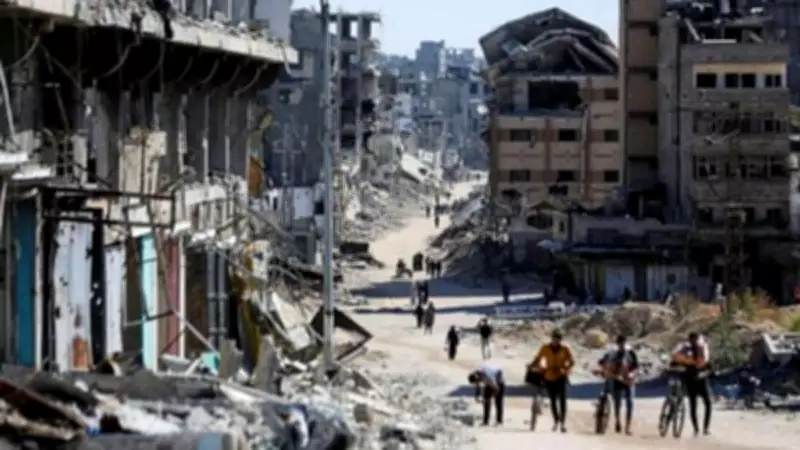
Independent Study Reveals Gaza Death Toll Higher Than Official Figures
A groundbreaking independent population survey has uncovered that the number of deaths in the Gaza Strip during the first 15 months of the war is significantly higher than previously reported. This research, conducted by its authors, marks the first such independent assessment of mortality in the region, providing a more accurate picture of the human cost of the conflict.
Survey Methodology and Findings
The study involved a comprehensive survey of 2,000 Palestinian households over a seven-day period, starting on December 30, 2024. By collecting data directly from families, the researchers aimed to capture a detailed and reliable account of fatalities that may have been overlooked in official tallies. The findings indicate a substantial discrepancy between the reported figures and the actual death toll, highlighting the challenges in documenting casualties in conflict zones.
Key aspects of the survey include:

- First independent assessment: This is the inaugural population-based survey of mortality in Gaza, offering an unbiased perspective.
- Household data collection: Surveying 2,000 households provided a robust sample size to estimate overall deaths.
- Timing: Conducted from December 30, 2024, the study covers the initial 15 months of the war, shedding light on long-term impacts.
Implications and Global Context
The revelation of higher death tolls has profound implications for understanding the humanitarian crisis in Gaza. It underscores the need for more transparent and accurate reporting in conflict areas, as well as the importance of independent verification in assessing war-related casualties. This study contributes to a broader global discourse on conflict mortality and the ethical responsibilities in documenting such events.
Broader considerations:
- Humanitarian impact: The higher figures emphasize the severe toll on Palestinian civilians, calling for increased international attention and aid.
- Methodological significance: The use of household surveys sets a precedent for future research in similar contexts, promoting better data collection practices.
- Policy relevance: Findings may influence diplomatic and policy decisions regarding conflict resolution and human rights protections in the region.
As the world grapples with ongoing conflicts, this study serves as a critical reminder of the hidden costs of war and the value of independent research in uncovering truth. The authors' work, reported by Reuters and published on February 20, 2026, at 00:53 IST, adds a vital layer to our understanding of the Gaza situation, urging a reevaluation of casualty estimates and humanitarian responses.