

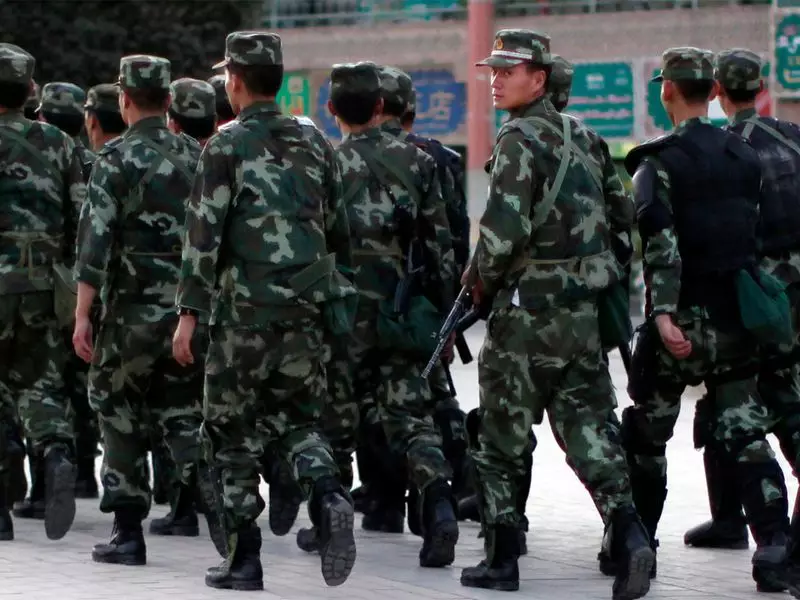
Genocide Watch, a prominent international non-governmental organization, has raised a dire alarm regarding the situation of the Uyghur Muslim minority in China's Xinjiang region. The organization has issued a formal warning, accusing Chinese authorities of perpetrating acts that could amount to cultural genocide through systematic erasure and the mass detention of Uyghurs in so-called 're-education camps.'
The Core Allegations: Erasure and Detention
The warning from Genocide Watch is not an isolated accusation but builds upon years of documented reports and survivor testimonies. The organization points to a multi-faceted campaign targeting the very identity of the Uyghur people. Central to these allegations is the existence of a vast network of internment camps, where estimates suggest over one million Uyghurs and other Turkic Muslims have been detained without trial. The stated purpose of these facilities is vocational training and counter-terrorism, but survivors describe them as centers for political indoctrination, forced renunciation of religious beliefs, and cultural assimilation.
Beyond detention, the warning highlights a concerted effort to dismantle Uyghur cultural heritage. This includes the widespread destruction of mosques and religious sites, severe restrictions on Islamic practices like fasting during Ramadan, and the suppression of the Uyghur language in education and public life. Furthermore, reports indicate a state-driven demographic shift, with the large-scale transfer of Han Chinese into Xinjiang, altering the region's ethnic composition.

China's Rebuttal and International Scrutiny
The Chinese government has consistently and vehemently denied all allegations of human rights abuses in Xinjiang. Officials in Beijing describe the camps as "vocational education and training centers" necessary to combat extremism and poverty, claiming they have contributed to stability and development in the region. China asserts that its policies in Xinjiang are an internal matter and a successful model for counter-terrorism and de-radicalization.
However, this stance has faced mounting international challenge. The Genocide Watch warning adds to a growing body of official condemnations. Notably, the United States, under the previous administration, was the first to formally accuse China of committing genocide and crimes against humanity in Xinjiang. Several other countries, including the United Kingdom, Canada, and the Netherlands, have adopted similar parliamentary resolutions. The United Nations human rights office has also published a report detailing possible crimes against humanity, though it stopped short of using the term genocide.
Global Implications and the Path Forward
The situation in Xinjiang has become a major flashpoint in global geopolitics, straining China's relations with Western democracies. It has led to diplomatic boycotts, sanctions on Chinese officials and entities, and intense scrutiny of supply chains linked to the region, particularly in the cotton and solar panel industries. For human rights organizations and many governments, the evidence points to a severe, state-orchestrated campaign of suppression.
The warning from Genocide Watch serves as a critical call to action for the international community. It urges nations to move beyond statements and impose tangible consequences, such as targeted sanctions and support for international legal mechanisms. The organization stresses the need for independent, unfettered access to Xinjiang for UN investigators and journalists to verify conditions on the ground. As the world grapples with these allegations, the fate of the Uyghur people and the preservation of their unique culture hangs in the balance, posing a fundamental test for the global human rights framework.






