

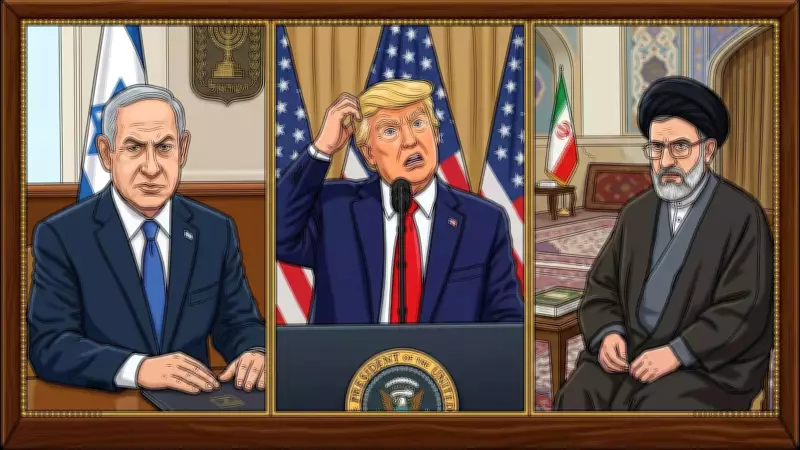
Global Conflicts: Analyzing the Current State of Warfare and Its Future Trajectory
In today's interconnected world, the nature of warfare is undergoing a profound transformation, driven by technological advancements, shifting geopolitical alliances, and complex socio-economic factors. This analysis delves into the current state of global conflicts, exploring where the war is going and what it means for international stability.
The Evolving Landscape of Modern Warfare
Traditional battlefield confrontations are increasingly being supplemented or replaced by hybrid warfare tactics. These include cyberattacks, disinformation campaigns, economic coercion, and proxy conflicts, which allow state and non-state actors to achieve strategic objectives without direct military engagement. For instance, cyber warfare has emerged as a critical domain, with nations investing heavily in offensive and defensive capabilities to disrupt critical infrastructure and influence public opinion.
Moreover, the rise of autonomous weapons systems and artificial intelligence is reshaping military strategies. Drones, for example, are now commonplace in conflict zones, providing surveillance and strike capabilities with reduced risk to human operators. This shift towards technology-driven warfare raises ethical and legal questions, particularly regarding accountability and the potential for escalation.

Key Hotspots and Regional Tensions
Several regions around the globe are currently embroiled in conflicts or facing heightened tensions that could escalate into broader warfare. In Eastern Europe, the ongoing conflict between Russia and Ukraine has highlighted the resurgence of conventional warfare, with large-scale troop movements and artillery duels dominating the battlefield. This situation has drawn in NATO and other international actors, complicating diplomatic efforts and increasing the risk of a wider confrontation.
In the Middle East, longstanding disputes in Syria, Yemen, and between Israel and Palestine continue to fuel violence, often exacerbated by external interventions from global powers. These conflicts are characterized by a mix of conventional fighting, guerrilla tactics, and humanitarian crises, underscoring the multifaceted nature of modern warfare.
Asia-Pacific is another region of concern, with territorial disputes in the South China Sea and tensions on the Korean Peninsula posing significant threats to regional peace. China's military buildup and assertive posturing have prompted responses from the United States and its allies, leading to a delicate balance of power that could easily tip into conflict.
Geopolitical Implications and Future Projections
The direction of warfare is heavily influenced by geopolitical rivalries, particularly between major powers like the United States, China, and Russia. As these nations compete for global influence, they are likely to employ a combination of military, economic, and technological means to assert dominance. This could lead to an era of "gray zone" conflicts, where actions fall below the threshold of open war but still cause significant disruption.
Looking ahead, several trends are expected to shape the future of warfare:

- Increased Reliance on Technology: From AI-driven decision-making to space-based assets, technology will play a central role in military operations.
- Focus on Asymmetric Warfare: Weaker actors will continue to use unconventional tactics to counter stronger adversaries, as seen in insurgencies and terrorist activities.
- Climate Change as a Conflict Multiplier: Resource scarcity and environmental degradation may exacerbate existing tensions and trigger new conflicts, particularly in vulnerable regions.
- Cyber and Information Warfare: The digital domain will remain a key battleground, with attacks on critical infrastructure and manipulation of public discourse becoming more sophisticated.
In conclusion, the war is going in multiple directions simultaneously, blending old and new forms of conflict. Understanding this complex landscape requires a holistic approach that considers military, technological, and geopolitical factors. As global tensions persist, the need for robust international cooperation and conflict resolution mechanisms has never been more urgent to prevent escalation and promote lasting peace.





