

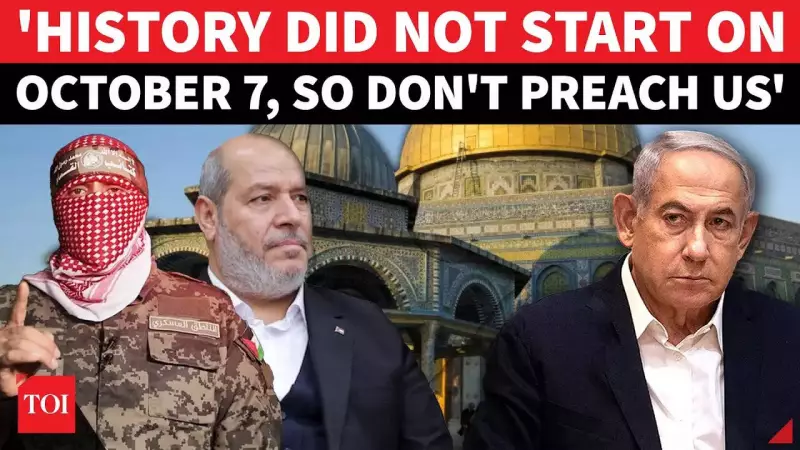
In a significant statement from Doha, a senior Hamas official has laid out the group's conditions for a lasting peace in Gaza, offering a potential path to de-escalation while drawing clear red lines for international involvement.
Hamas Sets Terms for Long-Term Truce
Bassem Naim, a member of Hamas's political bureau, declared on December 8, 2025, that the group is prepared to "freeze or store" its weapons. This move, however, is conditional on Israel fully adhering to its obligations under a U.S.-brokered ceasefire agreement that is already in place.
Speaking to the media, Naim accused Israel of repeatedly violating the current deal. He pointed to continued military operations in eastern Gaza and the blocking of essential humanitarian aid as key breaches. The Hamas leader issued a stark warning, stating that the fragile ceasefire could completely collapse unless the United States, the United Nations Security Council, and other mediators apply pressure on Israel to comply.

A Political Path and a Warning to Foreign Forces
While opening the door to a political solution, Naim firmly asserted Hamas's retained right to resist occupation. He expressed the group's openness to a political process that would ultimately lead to the establishment of an independent Palestinian state.
On the crucial issue of post-conflict security, Naim presented a mixed stance. He welcomed the idea of having United Nations troops stationed at Gaza's borders to monitor crossings and ensure security. However, he delivered a firm "stay out" message to any international forces considering operations inside the Gaza Strip itself. This position clearly rejects any foreign military presence within the territory's interior, a point likely aimed at proposals for multinational stabilization forces.
Implications for Regional Stability
This statement from Doha marks one of the most detailed public outlines of Hamas's post-war demands. The offer to shelve weapons is a notable gesture, but it remains tightly linked to Israeli actions and the fulfillment of the existing truce. The rejection of foreign troops inside Gaza sets a potential hurdle for international peacekeeping plans, while the acceptance of UN monitors at the borders offers a possible compromise.
The ball is now effectively in the court of the mediators and the Israeli government. The future of the ceasefire and any long-term arrangement hinges on addressing the violations cited by Hamas and finding common ground on security mechanisms for Gaza. The international community watches closely as the threat of renewed conflict looms if diplomacy fails.






