

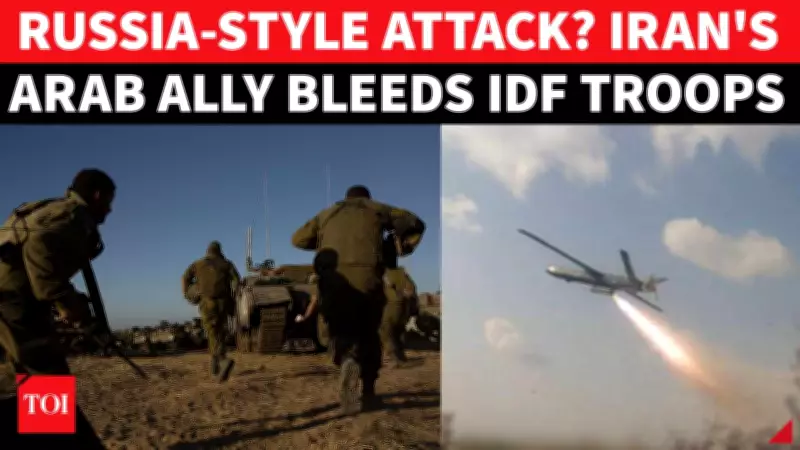
Hezbollah Drone Strike Wounds Eight Israeli Soldiers in Southern Lebanon
Tensions along the volatile Israel-Lebanon border have escalated sharply following a targeted drone attack by the militant group Hezbollah, which resulted in injuries to eight soldiers of the Israel Defense Forces. The incident, which occurred in southern Lebanon, has intensified fears of a broader regional conflict as cross-border hostilities continue to mount.
Details of the Drone Attack and Injuries
According to official military statements, the Hezbollah-operated drone successfully struck an Israeli military position, causing significant harm. Two soldiers sustained moderate injuries and are receiving medical treatment, while six others suffered minor wounds. This attack underscores the increasing sophistication and lethality of Hezbollah's aerial capabilities, which have become a persistent threat in the area.
Rocket Barrage Targets Northern Israel
In a separate but closely timed development, a barrage of rockets was launched towards northern Israel, with the city of Karmiel among the primary targets. Israeli air defense systems were activated and successfully intercepted most of the incoming projectiles, preventing any reported casualties or major damage. However, the dual assaults highlight a coordinated effort to test Israeli defenses and amplify psychological pressure on civilian populations.

Escalating Volatility and Regional Implications
The back-to-back strikes have dramatically heightened volatility along the border, with analysts warning of potential further escalation. Key factors contributing to the tense atmosphere include:
- Increased military posturing by both Israeli forces and Hezbollah operatives.
- Growing use of drone technology in asymmetric warfare, challenging traditional defense mechanisms.
- Broader geopolitical tensions involving Iran and other regional actors, which often influence Hezbollah's actions.
These incidents occur against a backdrop of ongoing diplomatic stalemates and failed negotiations, which have left the region on a precarious edge. The lack of a peaceful resolution pathway exacerbates the risk of miscalculations that could spiral into wider hostilities.
Military and Civilian Responses
In response to the attacks, Israeli authorities have reinforced defensive measures along the northern frontier, while also conducting assessments of the operational tactics employed by Hezbollah. Civilian communities in affected areas have been advised to remain vigilant and adhere to safety protocols, as the threat of further strikes looms large. The international community is closely monitoring the situation, with calls for restraint to prevent a full-scale conflict.
The convergence of drone warfare and rocket attacks signifies a dangerous evolution in the conflict dynamics between Israel and Hezbollah. As both sides recalibrate their strategies, the potential for inadvertent escalation remains a critical concern for regional stability and global security interests.






