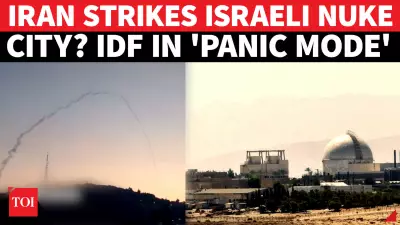
Yemen's Houthi Rebels Claim Responsibility for Missile Attack on Israel
In a significant escalation of regional hostilities, Yemen's Houthi rebels have publicly claimed responsibility for a missile attack directed at Israel. This bold declaration comes amidst the intensifying conflict in Gaza, further complicating the already volatile security landscape in the Middle East.
Details of the Attack and Houthi Statement
The Houthi movement, officially known as Ansar Allah, released a statement asserting that their forces launched a ballistic missile toward Israeli territory. While specific details regarding the missile's type, launch location within Yemen, and the exact target in Israel remain undisclosed, the group emphasized that this action was in direct response to Israel's military operations in Gaza. The Houthis have positioned themselves as part of the "axis of resistance" against Israel, aligning with groups like Hamas and Hezbollah.
Regional Context and Escalating Tensions
This attack marks a notable expansion of the Gaza conflict, which began with Hamas's assault on Israel on October 7. The Houthis, who control significant portions of Yemen including the capital Sanaa, have previously launched missiles and drones toward Israel, but this latest claim underscores a more assertive stance. Regional analysts warn that such actions risk drawing other actors into the fray, potentially destabilizing broader Middle Eastern security.

Israeli officials have not immediately confirmed the attack or its impact, but the Israeli military maintains a high state of alert for threats from multiple fronts. The Houthis' involvement adds a new dimension to Israel's security challenges, which already include hostilities with Hamas in Gaza and periodic exchanges with Hezbollah in Lebanon.
International Reactions and Implications
The international community is closely monitoring the situation, with concerns rising about the conflict's spillover effects. The United States and other Western nations have condemned Houthi aggression in the past, particularly their attacks on commercial shipping in the Red Sea. This latest incident may prompt renewed diplomatic efforts to de-escalate tensions, though prospects for a swift resolution appear dim given the entrenched positions of all parties involved.
Experts note that the Houthis' capability to strike Israel, though limited, demonstrates their growing military prowess and willingness to engage in cross-border conflicts. This development could influence ongoing peace negotiations in Yemen, where a fragile ceasefire has been in place, and complicate international aid efforts in the war-torn country.
Looking Ahead: Security and Diplomatic Challenges
As the Gaza war continues with no end in sight, the Houthis' claim of responsibility for the missile attack on Israel highlights the interconnected nature of regional conflicts. Key points to watch include:
- Israel's potential military response and its impact on regional stability.
- International diplomatic initiatives to prevent further escalation.
- The Houthis' future actions and their alignment with other anti-Israel groups.
This incident serves as a stark reminder of the Middle East's complex geopolitical dynamics, where local conflicts can quickly escalate into broader confrontations with global repercussions.