Houthis Enter Iran-Israel Conflict, Launch Strikes at Israel and Drone Attack at Kuwait Airport
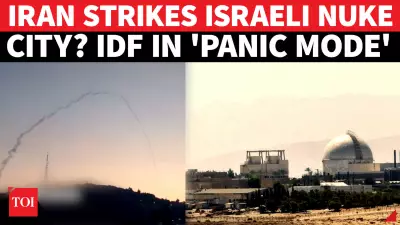
In a significant escalation of regional hostilities, Yemen's Houthi rebels have officially entered the ongoing conflict between Iran and Israel. The group has launched targeted strikes at Israel and conducted a drone attack at Kuwait International Airport, marking a dangerous expansion of the conflict beyond its initial borders.
Houthi Strikes Target Israel
The Houthis, who are backed by Iran, have initiated military actions against Israel, firing projectiles and drones in coordinated attacks. These strikes represent a direct involvement by the Yemeni rebel group in the broader Iran-Israel confrontation, potentially opening a new front in the volatile Middle East.
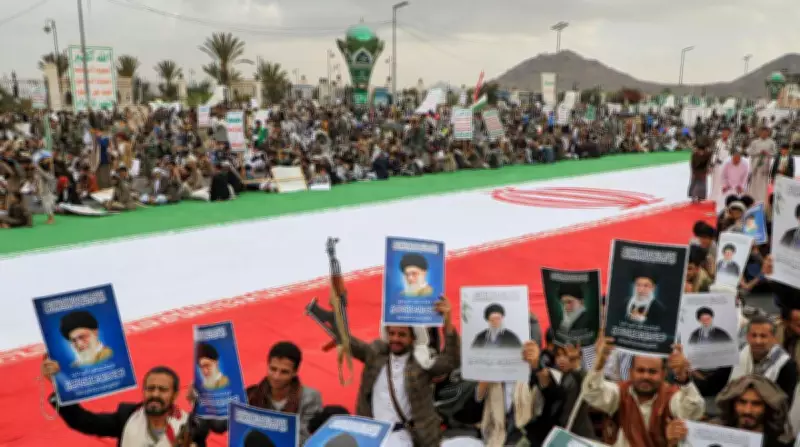
This move underscores the Houthis' alignment with Iranian interests and their willingness to engage in cross-border conflicts, further complicating the geopolitical landscape. The attacks on Israel are seen as a show of solidarity with Iran and a strategic maneuver to pressure Israeli defenses.

Drone Attack at Kuwait International Airport
In a related incident, a drone attack targeted Kuwait International Airport, causing disruptions and raising security alarms. Authorities have linked this attack to the Houthi rebels, indicating a broader campaign of aggression that extends to neighboring Gulf states.
The drone strike at the airport highlights the Houthis' capability to project power across the region, utilizing unmanned aerial vehicles to threaten critical infrastructure. This incident has prompted heightened security measures in Kuwait and other Gulf countries, as fears grow over further escalations.
Regional Implications and Responses
The entry of the Houthis into the Iran-Israel conflict has profound implications for regional stability. Key points include:
- Expansion of Conflict: The involvement of non-state actors like the Houthis broadens the scope of the conflict, potentially drawing in more countries and factions.
- Security Threats: Attacks on civilian infrastructure, such as airports, pose significant risks to public safety and international travel.
- Diplomatic Fallout: Nations in the region and globally are likely to reassess their positions, with calls for de-escalation and diplomatic interventions intensifying.
International observers are closely monitoring the situation, as the Houthi actions could trigger retaliatory measures from Israel or its allies, further fueling tensions. The conflict's evolution into a multi-front engagement raises concerns about a wider regional war.
Background on the Houthi Involvement
The Houthi rebels, based in Yemen, have long been supported by Iran in their civil war against the Saudi-led coalition. Their entry into the Iran-Israel conflict is viewed as a strategic extension of this alliance, aimed at bolstering Iranian influence and challenging adversaries in the Middle East.
This development follows a series of provocations and military posturing between Iran and Israel, with the Houthis now playing an active role. The group's ability to launch cross-border attacks demonstrates their growing military prowess and the deepening interconnectedness of regional conflicts.
As the situation unfolds, the international community faces urgent challenges in mitigating the risks of escalation and protecting civilian lives. The Houthi strikes and drone attack underscore the fragile state of Middle Eastern security and the need for concerted peace efforts.