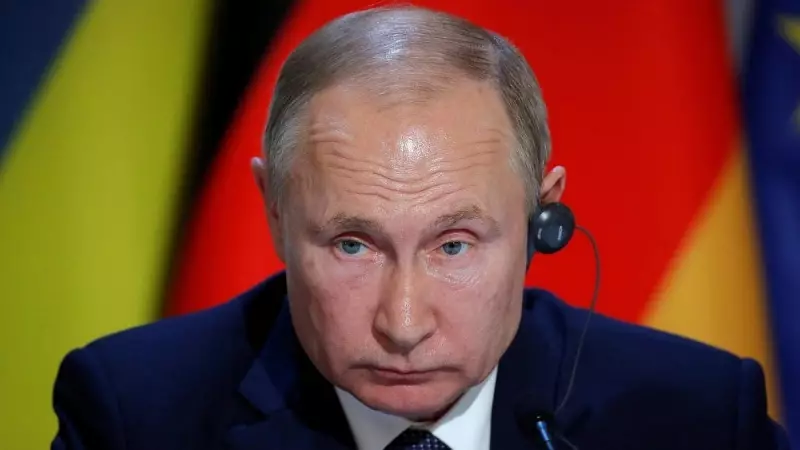
International Criminal Court (ICC) prosecutors have delivered a significant statement, clarifying that the arrest warrant issued for Russian President Vladimir Putin will remain in force. This is the case even if future peace negotiations, potentially led by the United States, result in an amnesty agreement for Ukraine.
The Core Allegations Behind the Warrant
The ICC, based in The Hague, issued the arrest warrant for Putin and five other Russian officials. The court took this step in connection with alleged atrocities committed during the ongoing war, which began with Russia's full-scale invasion of Ukraine in 2022. The warrant specifically targets Putin and Russia's Commissioner for Children's Rights, Maria Lvova-Belova.
The central accusation against them involves the unlawful deportation of hundreds of children from Ukrainian territories to Russia. This act is classified as a war crime under international law. The ICC's position underscores that individual criminal responsibility for such core international crimes cannot be simply waived through political settlements between states.

Implications for Diplomacy and Justice
This firm stance from the ICC prosecutors creates a complex backdrop for any potential peace talks. While diplomatic efforts might aim for a ceasefire and political resolution, the path to criminal accountability for alleged perpetrators is now a separate, parallel track. The statement effectively removes the option of using amnesty as a bargaining chip to shield individuals from the ICC's charges.
The announcement, reported by Reuters, was made on December 5, 2025. It sends a clear message about the permanence of international legal mechanisms once they are set in motion. The warrant restricts Putin's travel to any of the 123 countries that are member states of the Rome Statute, as they would be obligated to arrest him if he enters their jurisdiction.
What This Means for the Future
The ICC's unwavering position highlights the enduring nature of war crimes investigations. It establishes that justice for victims, particularly in cases involving the deportation of children, is considered non-negotiable by the court's prosecutors. This development ensures that the allegations will continue to cast a long shadow over Russian leadership, irrespective of how the military conflict concludes.
For the global community, it reinforces the principle that certain actions during warfare have universal consequences. The move is likely to be closely analysed by international relations experts and human rights advocates, who see it as a test of the ICC's resolve and independence in the face of high-profile geopolitical conflicts.