Iran Closes Strait of Hormuz Again Amid Lebanon Strikes, White House Condemns Action
In a significant escalation of regional tensions, Iran has once again closed the strategic Strait of Hormuz, a critical maritime chokepoint for global oil shipments. This move comes in the wake of recent military strikes in Lebanon, which have further destabilized the already volatile Middle East. The White House has swiftly responded, labeling Iran's action as "unacceptable" and warning that it threatens to push a fragile ceasefire to the brink of collapse.
Background and Immediate Context
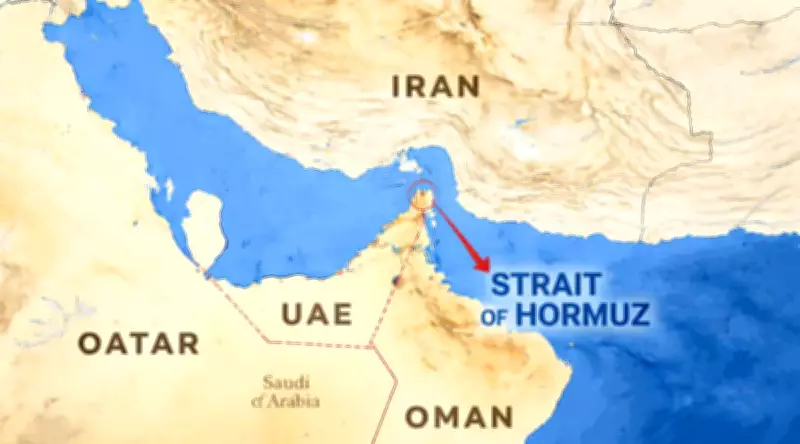
The Strait of Hormuz, located between Iran and Oman, is one of the world's most vital waterways, through which approximately one-fifth of the world's oil passes daily. Iran's decision to close the strait is not unprecedented but marks a severe provocation given the current geopolitical climate. This closure follows a series of strikes in Lebanon, which have been linked to regional proxy conflicts involving Iran-backed groups. These incidents have heightened fears of a broader regional war, with international observers closely monitoring the situation.
White House's Strong Condemnation
The White House has issued a firm statement condemning Iran's closure of the Strait of Hormuz. A spokesperson emphasized that such actions are unacceptable and undermine efforts to maintain peace and stability in the region. The statement highlighted that this move jeopardizes ongoing diplomatic initiatives aimed at securing a ceasefire, which had been showing tentative progress. The U.S. administration has called for an immediate reopening of the strait to ensure the free flow of commerce and to prevent further escalation.

Impact on Regional and Global Dynamics
The closure of the Strait of Hormuz has immediate and far-reaching consequences:
- Economic Ramifications: Global oil prices are expected to surge due to the disruption in supply, affecting economies worldwide and potentially leading to inflationary pressures.
- Security Concerns: The move raises the risk of military confrontations in the Persian Gulf, with naval forces from various nations on high alert to protect shipping lanes.
- Diplomatic Fallout: Iran's action complicates international diplomacy, making it harder to negotiate a lasting ceasefire in conflicts across the Middle East, including in Lebanon and beyond.
Broader Implications for Ceasefire Efforts
The recent strikes in Lebanon, which prompted Iran's response, are part of a pattern of violence that has plagued the region. A ceasefire, which had been under discussion by international mediators, is now at serious risk. Iran's closure of the Strait of Hormuz is seen as a retaliatory measure, signaling its willingness to use economic and military leverage to influence regional outcomes. This development underscores the fragile nature of peace efforts and the potential for rapid escalation in the Middle East.
In summary, Iran's decision to close the Strait of Hormuz again, following strikes in Lebanon, represents a major escalation in regional tensions. The White House's condemnation reflects global concern over the stability of vital trade routes and the prospects for peace. As the situation unfolds, the international community must navigate these challenges carefully to prevent a full-scale conflict and preserve diplomatic pathways.