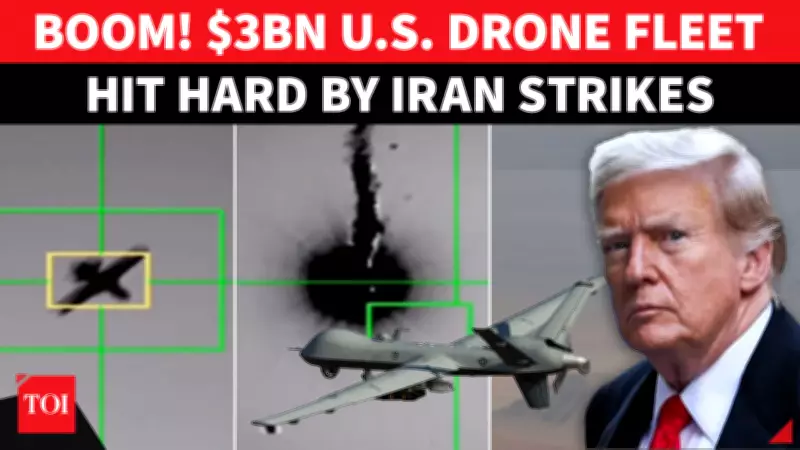
Iranian Air Defense Inflicts Heavy Losses on US Drone Fleet
The United States military has reportedly sustained substantial losses in its unmanned aerial vehicle fleet during escalating tensions with Iran. According to recent reports, 24 MQ-9 Reaper drones have been destroyed by Iranian air defense systems, with multiple aircraft shot down in early April alone.
Concentrated Losses Near Strategic Locations
The drone losses have been particularly concentrated near key Iranian locations including Shiraz and Kish Island, raising significant concerns about operational risks in the region. Military analysts note that these areas represent critical strategic points where Iranian air defenses appear to be particularly effective.
In addition to the Reaper drones, there are unconfirmed reports suggesting that a high-value MQ-4C Triton surveillance drone may also have been destroyed. The Triton represents a more advanced and expensive platform than the Reaper, potentially indicating an escalation in Iranian targeting capabilities.

Analysts Warn of Strategic Vulnerabilities
Defense analysts are issuing warnings about the increasing reliance on drones due to shortages of conventional missiles and manned aircraft. This dependency, they argue, is exposing critical vulnerabilities in modern warfare strategies.
The situation has prompted serious questions about:
- Drone survivability in contested airspace
- The future of unmanned warfare in high-intensity conflicts
- Countermeasures against increasingly sophisticated air defense systems
- The economic impact of losing expensive military hardware
Broader Implications for Military Strategy
These developments come amid broader regional tensions and suggest a significant shift in the dynamics of aerial warfare. The effectiveness of Iranian air defenses against advanced American drones could influence military planning and procurement decisions for years to come.
Military strategists are now forced to reconsider the role of unmanned systems in conflicts where adversaries possess capable air defense networks. The losses highlight the need for improved electronic warfare capabilities, stealth technology, and alternative approaches to intelligence, surveillance, and reconnaissance missions.
As the conflict continues to evolve, the drone losses represent more than just material damage—they signal a potential turning point in how nations approach aerial warfare in the 21st century.