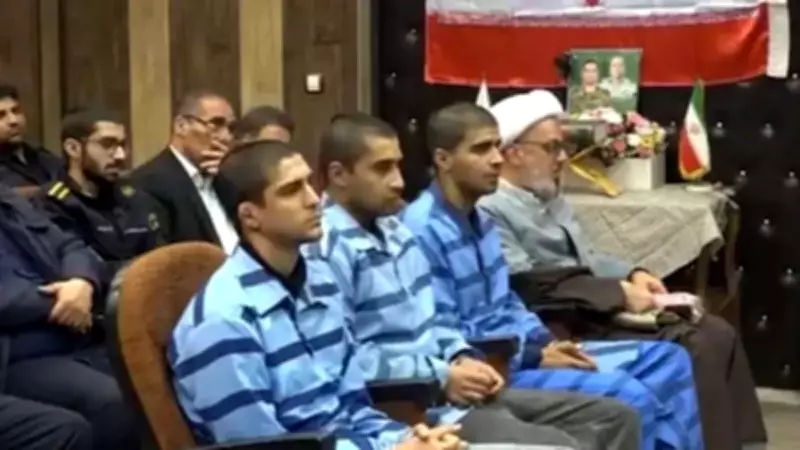
Iran Executes Teenage Wrestler Saleh Mohammadi Over Anti-Government Protests
In a move that has drawn widespread international condemnation, Iran has executed Saleh Mohammadi, a teenage wrestler, for his alleged participation in anti-government protests. The execution, carried out on March 21, 2026, has ignited a firestorm of criticism from human rights organizations and global leaders, who are decrying the harsh punishment meted out to a young athlete.
Details of the Case and Execution
Saleh Mohammadi, whose exact age has been reported as a teenager, was arrested during the widespread anti-government protests that have rocked Iran in recent years. Authorities accused him of engaging in activities deemed subversive, including involvement in demonstrations against the regime. The Iranian judiciary confirmed the execution, stating that Mohammadi was convicted under charges related to national security and undermining the government.
The execution took place in a prison facility, with officials asserting that due legal processes were followed. However, human rights advocates have raised serious concerns about the fairness of the trial, alleging that Mohammadi was denied access to a proper defense and that his confession may have been coerced under duress.

International Outrage and Condemnation
The execution has prompted a swift and forceful response from the international community. Numerous countries and human rights groups have issued statements condemning Iran's actions, labeling the execution as a blatant violation of human rights and a disproportionate response to protest activities.
- United Nations officials have expressed deep alarm, calling for an immediate halt to such executions and urging Iran to respect international human rights standards.
- Human Rights Watch and Amnesty International have highlighted the case as part of a broader pattern of repression in Iran, where authorities have cracked down harshly on dissent.
- Sports organizations and athletic communities worldwide have also voiced their dismay, emphasizing that Mohammadi's status as a wrestler underscores the tragic loss of a young life with potential in sports.
Context of Anti-Government Protests in Iran
Iran has been grappling with significant internal unrest, driven by economic hardships, political dissatisfaction, and social issues. The anti-government protests, which have seen participation from various segments of society, including youth and athletes, have been met with a severe crackdown by security forces. Executions and lengthy prison sentences have become common tactics used by the regime to quell dissent and instill fear among the populace.
Saleh Mohammadi's execution is seen as a stark example of this approach, aimed at deterring others from joining or supporting protest movements. It reflects the Iranian government's unwavering stance against any form of opposition, regardless of the age or background of the individuals involved.
Implications and Future Concerns
The execution of a teenage wrestler has not only sparked immediate outrage but also raised long-term concerns about human rights in Iran. Analysts warn that such actions could further isolate Iran on the global stage and exacerbate tensions within the country. There are fears that more executions could follow, as authorities continue to target perceived threats to the regime.
In response, advocacy groups are calling for increased international pressure on Iran to cease executions and adopt more humane policies. They urge world leaders to leverage diplomatic channels and sanctions to hold Iran accountable for its human rights abuses.
As the world reacts to this tragic event, the case of Saleh Mohammadi serves as a poignant reminder of the high stakes involved in the struggle for freedom and justice in Iran. It underscores the urgent need for global solidarity in defending human rights and opposing state-sanctioned violence against protesters.