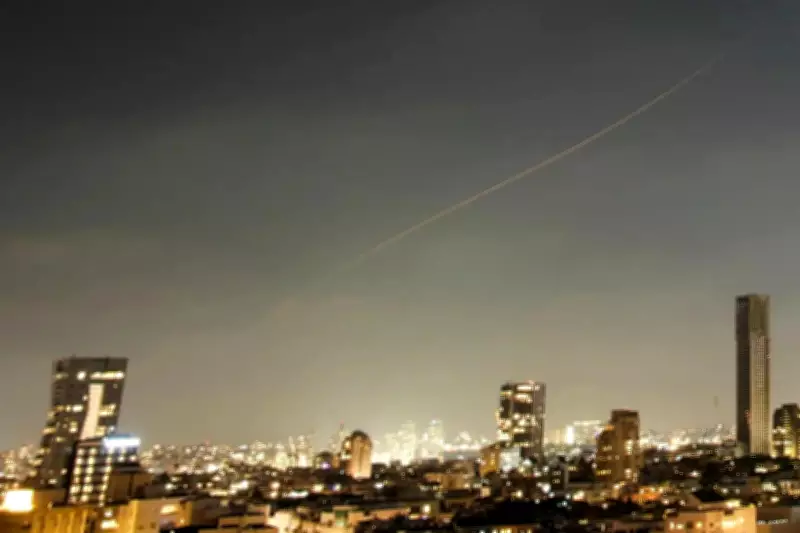
A fragile ceasefire between Iran and Israel collapsed completely early Monday after Iran struck Israel for the first time since the April 8 ceasefire, drawing sharp retaliatory strikes from the Jewish State as loud booms were heard in parts of central and western Iran. The timing of the re-eruption of the war has cast a foreboding shadow over the end of hostilities in West Asia, which entered its 101st day since February 28.
US Diplomatic Efforts Derailed
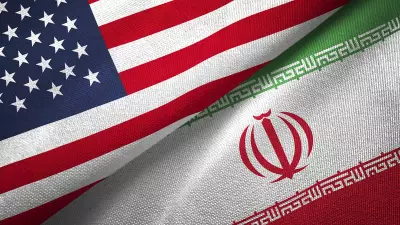
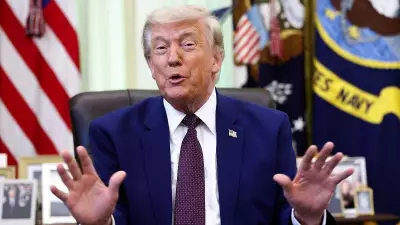
The strikes could also derail United States President Donald Trump's last-ditch effort to find an off-ramp in the war by negotiating a nuclear deal with Iran. Trump, who had been pressuring Netanyahu to restrain from hostilities, in a recent interview spoke on how he "calls the shot," affirming that Netanyahu must accept the Iran deal to put a cessation to the bloody war. The US president also expressed optimism as he claimed America was "very close" to making the peace deal with Iran and had urged Netanyahu to avoid retaliation, which apparently ended in vain.
"If Bibi strikes them back, it's just going to keep going like the last 47 years, or the last 3,000 years," he told an interview. "Each of them had their fun. Israel had its strike, and Iran had its strike. We don't need another one," Trump further said.

Iran Strikes First in Two Months
Iran fired missiles towards Israel on Sunday, marking the first direct escalation between the two countries since a fragile ceasefire came into force in early April. The attack raised fears that the region could once again slide into a broader conflict, while also threatening diplomatic efforts aimed at ending the war. Iranian state media confirmed the missile launches, and authorities subsequently shut down airspace in the country's west amid expectations of a possible Israeli response.
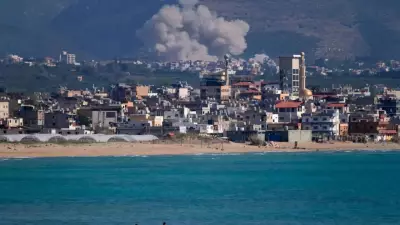
The strike came after Tehran vowed retaliation over Israeli attacks on Beirut's southern suburbs earlier in the day. Iran accused Israel of carrying out the strikes despite calls from Washington to avoid further escalation. Israel, meanwhile, said the Iranian-backed Hezbollah movement had launched attacks on northern Israel earlier on Sunday.
"Should these acts of aggression be repeated, the responses will be broader in scope and will encompass all American and Zionist targets throughout the region," Iran's Revolutionary Guard said in a statement that referenced attacks in Lebanon and on Iran's coast and vessels around the Strait of Hormuz.
Air raid sirens sounded across several parts of Israel, forcing millions of residents to seek shelter. The Israeli military said its air defence systems intercepted the incoming missiles. Residents in northern areas reported hearing multiple explosions. Less than an hour later, authorities informed civilians that they could leave protected areas. "Iran has made a grave mistake," Israel military spokesperson Brig Gen Effie Defrin said. The country's military chief, Lt Gen Eyal Zamir, signalled a possible response, saying the armed forces would "strike the enemy with determination as soon as the order is given."
Israel Bombs Isfahan, Karaj, Tabriz
Israel carried out air strikes on central and western Iran early Monday, responding to Tehran's missile attack and raising concerns that the conflict could once again expand across the region. Iranian state television reported explosions in Isfahan, Karaj, Tabriz and Tehran, though it did not immediately provide details on the targets or the extent of any damage. A resident in Tehran reported hearing at least one powerful explosion west of the capital.
Following the strikes, Iranian authorities suspended operations in the airspace around Tehran's Imam Khomeini International Airport, the country's main international gateway. Iranian officials did not immediately disclose what facilities had been hit. The Islamic Revolutionary Guard Corps said Israel had used air-launched ballistic missiles during the operation but offered no further explanation. As the strikes began, the Israeli military issued a brief statement: "A short while ago, the Israeli Air Force struck military targets belonging to the Iranian terror regime in western and central Iran." No additional details were provided by Israeli authorities.

Iraqi Outfit Threatens to Join War
The Iraqi Shiite militia Kata'ib Hezbollah warned that it would target American military facilities and interests across Iraq and the wider region if Washington became directly involved in military action against Iran. The group issued a short statement on its website declaring that "if America intervenes in the confrontation, we will target its bases and interests in Iraq and the region." The warning followed Iran's missile attack on Israel on Sunday evening. Sirens were activated across large parts of northern Israel as the missiles approached. According to the Israeli military, the projectiles were intercepted before causing casualties or significant damage.
Reiterating Israel's readiness to respond, IDF Chief of Staff Eyal Zamir said the military "will strike the enemy with determination as soon as the order is given." Amid growing regional tensions, Iraq's Civil Aviation Authority announced the temporary closure of the country's airspace for 72 hours.
Escalation After Trump's Warning
US President Donald Trump had urged Israeli Prime Minister Benjamin Netanyahu not to retaliate against Iran's latest missile barrage, arguing that any response could undermine ongoing efforts to secure a peace agreement and end the three-month conflict. According to Axios, Trump spoke with Netanyahu shortly after the Iranian missile attack in an effort to prevent a new cycle of hostilities from derailing negotiations. He also called on Tehran to resume talks.
"We're very close. I would say an agreement would be signed on Monday, Tuesday or Wednesday of this coming week. And now this takes place," Trump told Fox News. "You've shot your missiles, that's enough. Get back to the table and make a deal," Trump said, referring to Iran's strikes at Israel. "The Iranian strikes didn't hurt anybody. Hopefully Israel is not going to retaliate," Trump told Axios. In comments to the Financial Times, Trump suggested Netanyahu would ultimately need to accept any agreement reached between Washington and Tehran. "He won't have any choice," Trump said of Netanyahu, asserting that he "calls the shots."