Iran Unleashes Missile Barrage on Israeli Cities in Retaliation for Larijani Assassination
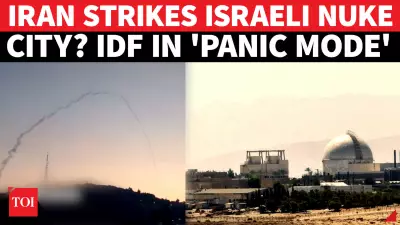
In a dramatic escalation of tensions, Iran has continued its relentless assault on Israel, firing a barrage of ballistic missiles and drones targeting major cities including Tel Aviv, Beersheba, and Holon. This aggressive military action is a direct response to the killing of Ali Larijani, the secretary of Tehran's Supreme National Security Council, by Israeli forces in Tel Aviv. The attack marks a significant intensification in the ongoing conflict between the two nations.
Widespread Explosions and Panic Across Israel
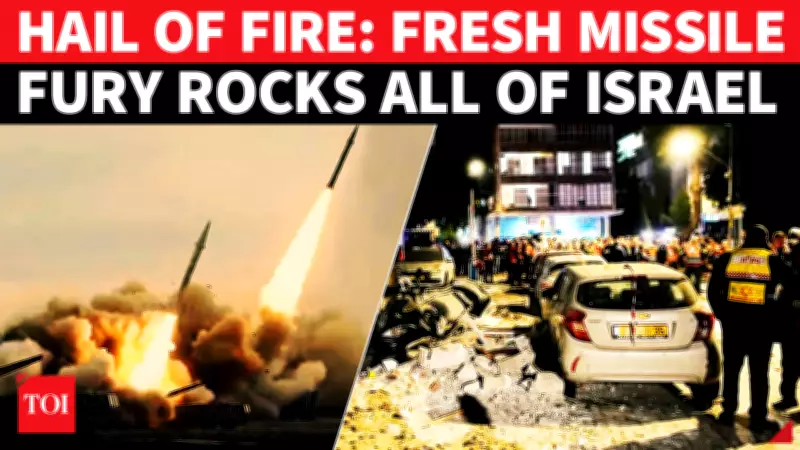
Explosions were reported across multiple locations in southern and central Israel, creating scenes of chaos and panic on the ground. Dramatic visuals captured missiles raining down from the sky, illuminating the night with fiery trails and triggering widespread alarm among residents. Emergency services, including Magen David Adom, were swiftly mobilized to assess the damage and provide aid in the affected areas.
Casualty Reports and Emergency Response
Despite the intensity of the missile barrage, initial reports from emergency services indicated no immediate casualties in some of the latest strikes. However, it is important to note that earlier incidents related to this conflict have resulted in fatalities, highlighting the deadly nature of the ongoing hostilities. The situation remains fluid, with authorities closely monitoring for any updates on injuries or structural damage.

Background and Context of the Attack
This missile attack is part of Iran's vowed retaliation for the assassination of Ali Larijani, a key figure in Iran's security apparatus. The killing has sparked a series of military responses from Tehran, with this latest barrage being one of the most significant in terms of scale and geographic reach. The use of cluster missile fire, as reported, suggests a strategic effort to maximize impact across urban centers.
International Implications and Regional Stability
The escalation raises serious concerns about regional stability and the potential for broader conflict. With reports of related attacks on other targets, such as the US Embassy in Baghdad, the situation underscores the interconnected nature of tensions in the Middle East. The international community is closely watching developments, as any further escalation could have far-reaching consequences for global security and diplomacy.
As the situation unfolds, residents in affected Israeli cities are urged to follow safety protocols and stay informed through official channels. The conflict highlights the volatile dynamics in the region and the ongoing challenges in achieving peace and de-escalation.