Iran Missile Strike Claims Four Lives in Haifa Residential Area
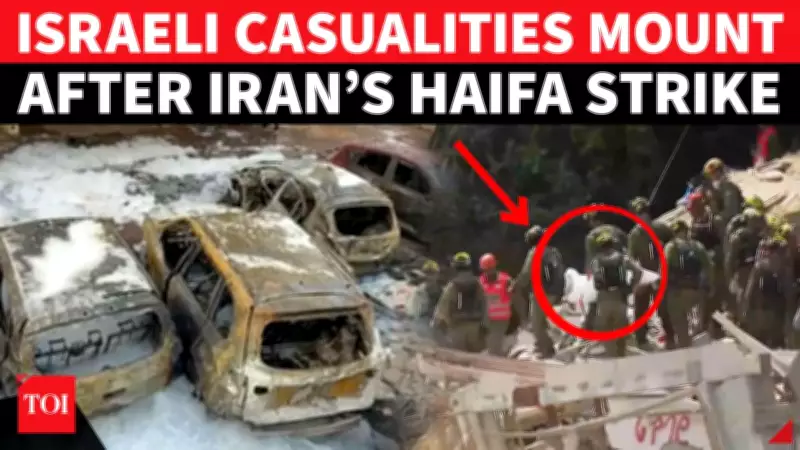
In a significant escalation of regional hostilities, an Iranian ballistic missile struck a residential building in Haifa, resulting in the confirmed deaths of four civilians. Rescue teams have completed recovery operations, extracting all victims from the collapsed structure. The attack represents a direct targeting of northern Israel's urban centers amid ongoing military exchanges between the two nations.
Civilian Casualties and Rescue Operations
The deceased victims include an elderly married couple, a man in his forties, and a thirty-five-year-old woman. Emergency response units worked through debris to locate and recover the bodies, highlighting the strike's devastating impact on civilian infrastructure. Israeli authorities have initiated comprehensive damage assessment protocols to evaluate structural integrity and potential secondary hazards in the affected neighborhood.
Iranian Retaliation Threats and Regional Tensions
Iranian officials have issued stark warnings of a "multiplied response" to perceived attacks on Iranian civilians, suggesting further military action may be imminent. This rhetoric accompanies sustained missile barrages targeting not only residential zones but also industrial facilities across northern Israel. The conflict's intensification has created a volatile security environment with diminishing prospects for de-escalation.

Ceasefire Proposal Stalls Amid Escalating Violence
Regional mediators have proposed a forty-five-day ceasefire agreement, yet neither party has formally responded to the initiative. The diplomatic impasse persists even as civilian casualties mount and military engagements become more frequent. International observers express growing concern about the conflict's potential to expand beyond current geographical boundaries, threatening broader regional stability.
Strategic Implications and Future Projections
The Haifa strike demonstrates Iran's capability to penetrate Israeli air defenses with ballistic missiles, marking a concerning development in the conflict's technological dimension. Military analysts note that such attacks on population centers represent a deliberate strategy to inflict psychological trauma and economic disruption. As both nations prepare for potential further exchanges, the humanitarian situation continues to deteriorate, with displaced populations and damaged critical infrastructure compounding the crisis.