

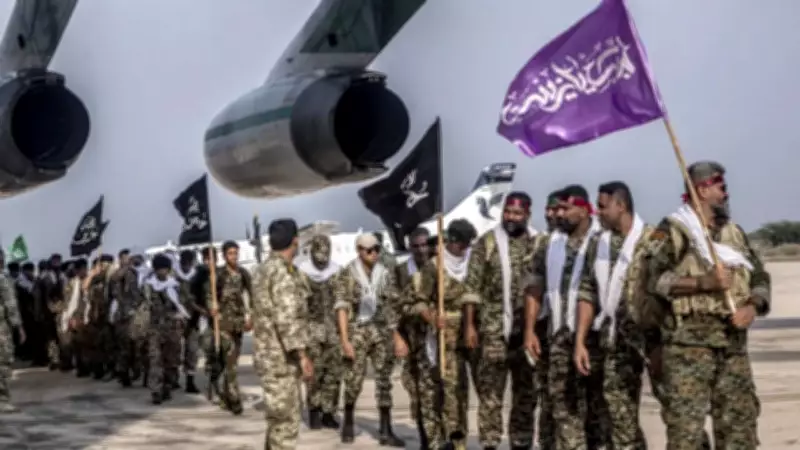
Iran Mobilizes Massive Force Amid Escalating Regional Tensions
Iran has reportedly organized a formidable fighting force exceeding one million individuals, comprising both regular military personnel and civilian volunteers, as concerns mount over potential ground combat with the United States and Israel. This significant mobilization comes amid heightened geopolitical friction in the Middle East, with sources indicating a sharp increase in recruitment at centers linked to the Basij, the Islamic Revolutionary Guard Corps (IRGC), and the Iranian army.
Military Buildup and Defensive Preparations
According to reports from Iran's Tasnim News Agency, a large number of young Iranians have expressed willingness to defend their country, contributing to the surge in recruitment. The prepared forces are equipped to handle various scenarios if required, showcasing Iran's readiness for potential conflicts.
In recent weeks, Iran has been reinforcing its military presence on Kharg Island, deploying additional troops and air defense systems while establishing defensive traps. This strategic move underscores Iran's efforts to bolster its defensive capabilities in key locations.

Political Warnings and Surveillance
Mohammad Bagher Ghalibaf, the speaker of Iran's parliament, issued a stern warning on Wednesday, cautioning the country's enemies against any attempts to occupy Iranian islands. He cited possible regional developments and stated that all enemy movements are under full surveillance by Iran's armed forces.
"If they step out of line, all the vital infrastructure of that regional country will, without restriction, become the target of relentless attacks," Ghalibaf posted on social media platform X. He also emphasized that Iran is closely monitoring all US movements in the region, particularly troop deployments.
International Context and Diplomatic Maneuvers
The mobilization news emerges as US Secretary of State Marco Rubio has been urging NATO nations, along with European and Asian allies, to assist in securing the Strait of Hormuz for global oil and gas shipping. This strategic waterway remains a focal point in regional tensions.
A Wall Street Journal report revealed that US President Donald Trump has expressed a desire to avoid a prolonged war in Iran, hoping to resolve the conflict within weeks. However, the Pentagon has reportedly drafted detailed plans for a possible deployment of US ground troops into Iran, with senior military commanders requesting operational readiness for scenarios beyond current air or naval actions.
Contradictory Statements and Ceasefire Rejection
When questioned about sending troops during an Oval Office appearance on Thursday, Trump stated, "No, I'm not putting troops anywhere," but added, "If I were, I certainly wouldn't tell you," leaving the option open. Meanwhile, the United States claims to be engaged in talks with Iran for a possible truce deal.
Iran has rejected these claims, denying any negotiations with the US and reportedly dismissing Trump's 15-point ceasefire plan. According to Reuters, a senior Iranian official described the plan as "one-sided and unfair," arguing it serves only US and Israeli interests.
Broader Regional Implications
This development occurs alongside other regional incidents, including reports of one Indian fatality and another injury from missile debris in Abu Dhabi, highlighting the spillover effects of Middle East conflicts. Iran's strategic decisions, such as granting Hormuz passage to countries like India, Pakistan, Russia, China, and Iraq, have also impacted global oil dynamics, with Iran's oil revenue soaring as others struggle due to the Strait of Hormuz crisis.
The mobilization of over one million fighters signifies Iran's preparedness for potential escalations, reflecting the volatile state of international relations in the region and the ongoing power struggles involving major global actors.






