

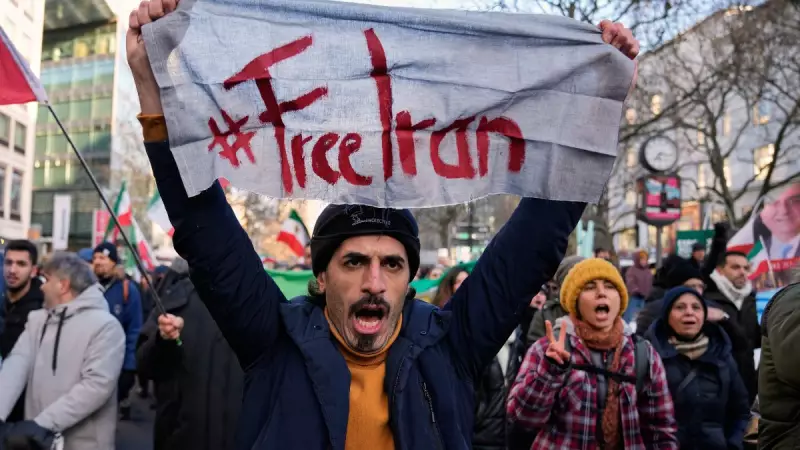
Iran is grappling with one of its most significant waves of civil unrest in years, with the death toll from ongoing nationwide protests climbing to at least 203, according to human rights groups. The protests, which erupted over a month ago, have intensified, drawing a sharp warning from Tehran directed at the United States.
Escalating Unrest and a Rising Death Toll
The spark for the current crisis was the death of 22-year-old Mahsa Amini in mid-September. Amini was detained by the country's morality police for allegedly violating the strict hijab laws and died shortly after in custody. Authorities claimed she suffered a heart attack, but her family and protesters allege she was brutally beaten. This incident ignited long-simmering public anger over political repression, social restrictions, and a worsening economic situation.
Protests, led prominently by women and youth, have spread to over 80 cities and towns across Iran. Demonstrators have been seen burning headscarves and chanting slogans against the Supreme Leader. In response, security forces have deployed tear gas, live ammunition, and mass arrests. The Norway-based group Iran Human Rights reported the death toll of 203, which includes several children. The government has provided a much lower, contested figure.

Tehran's Stern Warning to the United States
As the protests persist, the geopolitical dimension has expanded. Iranian officials have accused foreign powers, particularly the United States, of fomenting the unrest. In a significant development on January 11, a senior Iranian military commander issued a direct and public warning to Washington.
The commander stated that Iran views any potential military action by the US as a red line. He emphasized that the Iranian armed forces are monitoring all movements and are prepared to respond decisively to any aggression. This warning comes amid heightened tensions and follows reports of the US deploying military assets to the region. The Iranian statement serves as a clear attempt to deter any foreign intervention under the pretext of supporting the protesters.
Internal Crackdown and International Repercussions
Internally, the regime has launched a severe crackdown. Beyond the street violence, authorities have begun targeting celebrities, journalists, and activists who have voiced support for the demonstrations. Internet access remains heavily restricted, making it difficult to verify information from the ground.
Internationally, the situation has drawn widespread condemnation. Western nations have imposed new sanctions on Iranian officials and entities linked to the suppression. The United Nations has called for an independent investigation into Amini's death and the violent response to the protests. However, Iran has rejected these calls, framing the protests as a foreign-backed plot to destabilize the country.
The protests represent a profound challenge to Iran's clerical leadership. While the immediate outcome remains uncertain, the widespread participation, especially by women, signals a potential shift in the social contract. The regime's dual strategy of domestic repression and international defiance suggests it is digging in for a prolonged struggle. The world watches closely as the human cost continues to rise and the risk of a broader regional confrontation looms.






