

Iran is grappling with its most significant internal upheaval in decades, as nationwide protests over economic hardship have escalated into a severe political crisis, drawing sharp warnings from the United States. The situation has turned increasingly violent, with activists reporting a death toll exceeding 500 and more than 10,600 detentions over a two-week period.
International Tensions Soar as US Considers Military Action
US President Donald Trump has declared that the United States is closely monitoring the escalating protests and is prepared to consider a range of responses, including military options. Speaking to reporters aboard Air Force One, Trump issued a stark warning to Tehran, stating that if Iran targeted American interests, the US would retaliate decisively. "The military is looking at it, and we're looking at some very strong options," Trump said, adding that any attack on US bases would be met with unprecedented force.
In a surprising twist, Trump also claimed that Iran has expressed a desire to negotiate following his threats. "Iran called, they want to negotiate. The meeting is being set up," he stated. However, he cautioned that military action could precede any talks due to the ongoing violence.

Iran's Leadership Blames Foreign Powers, Claims Control
Iranian authorities have vehemently blamed the United States and Israel for instigating the unrest. President Masoud Pezeshkian accused the two nations of attempting to destabilise the country. While acknowledging public grievances and promising to address them, he warned citizens to stay away from what he termed "rioters and terrorists."
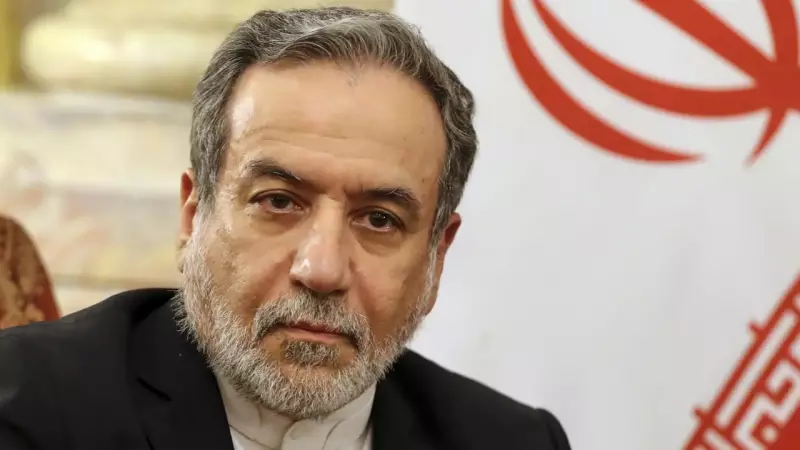
Iran's Foreign Minister, Abbas Araghchi, asserted that "the situation has come under total control" after a government crackdown. He controversially claimed the demonstrations had "turned violent and bloody to give an excuse" for President Trump to intervene, though he provided no evidence for this allegation. His statement came even as independent reports confirmed a rising casualty count.
Supreme Leader Ayatollah Ali Khamenei remained defiant, sharing a cartoon on social media that portrayed Trump as a crumbling sarcophagus with the message, "this one too will be overthrown."
Severe Crackdown and Nationwide Impact
The human cost of the protests continues to mount. Hospitals across Iran are reportedly under severe strain, with medical workers describing overwhelmed emergency rooms, overcrowded corridors, and full morgues. The government has imposed a nationwide internet blackout lasting over 84 hours, severely limiting information flow and contact with the outside world.
Iran's Attorney General issued a severe warning, stating that anyone participating in the protests would be considered an 'enemy of God,' a charge that carries the death penalty. The government also announced three days of national mourning for security forces killed during the unrest, framing the events as a national resistance battle against America and Israel.
Meanwhile, exiled Crown Prince Reza Pahlavi called for nationwide strikes and urged protesters to occupy city centres, claiming he was preparing to return to Iran. The United Nations Secretary-General, Antonio Guterres, expressed shock at the reported violence and called on Iranian authorities to exercise maximum restraint.
The protests, initially sparked by a crashing currency and soaring inflation, have evolved into a broad challenge against the nation's theocratic establishment, marking one of its most serious tests since the 1979 Islamic Revolution.






