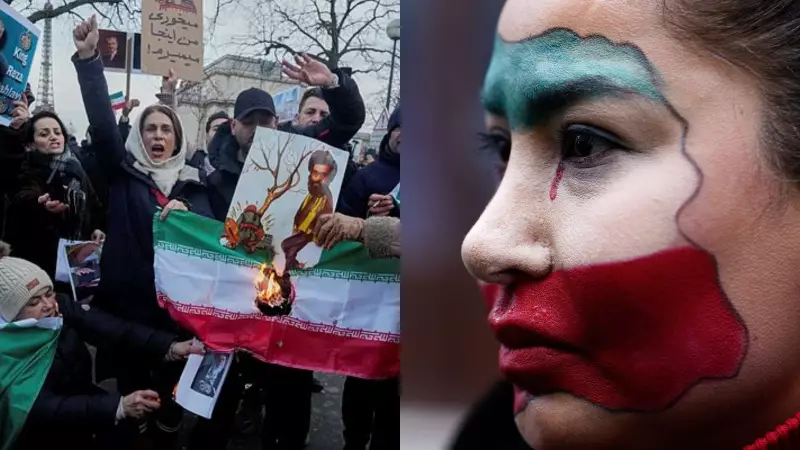
Protests across Iran have now entered a critical third week, marking one of the most significant challenges to the country's clerical leadership in years. The unrest, ignited by the death of 22-year-old Mahsa Amini in morality police custody, has spiraled into a nationwide movement with a heavy human cost.
Escalation and Severe State Response
The protests, which began on September 17, 2022, following Amini's death, have shown no signs of abating. According to the Iran Human Rights (IHR) group based in Oslo, the death toll has now surpassed a grim milestone of 500 people. This figure includes protesters and bystanders killed by security forces. The IHR notes that over 100 of these fatalities occurred in Sistan and Baluchistan province alone, where a particularly violent crackdown took place on September 30, known as "Bloody Friday."
Authorities have responded with a severe crackdown, deploying riot police, the Basij militia, and even the Revolutionary Guards in some areas. Reports from human rights monitors detail the use of live ammunition, metal pellets, and tear gas against largely unarmed crowds. Internet access remains heavily restricted, a tactic used to stifle communication and obscure the true scale of the violence from the world.

Widespread Arrests and International Condemnation
Beyond the fatalities, the scale of arrests is immense. Iranian officials themselves have acknowledged detaining thousands, while rights groups estimate the number could be much higher. Those arrested include protesters, journalists, activists, and even celebrities who have voiced support for the movement. The judiciary has announced the formation of special courts to try the detained, raising fears of swift, harsh sentences.
The international community has reacted with growing alarm. The United Nations Human Rights Council has voted to establish a fact-finding mission to investigate alleged abuses. The United States, Canada, and the European Union have imposed new sanctions on Iranian officials and entities linked to the crackdown. However, the Iranian government has dismissed foreign criticism as interference and blamed the unrest on foreign enemies and "terrorists."
A Movement Beyond One Incident
While the death of Mahsa Amini was the catalyst, analysts agree the protests have evolved into a broader expression of deep-seated frustration. The core demands have expanded from accountability for her death to calls for an end to mandatory hijab laws and, crucially, for fundamental changes to the Islamic Republic's system of governance. A defining feature of this wave is the central role of women and young people, who are visibly leading the demonstrations and acts of defiance.
The protests represent a profound crisis of legitimacy for the establishment. The unified chant of "Woman, Life, Freedom" has resonated across social and ethnic lines, challenging the state's ideological foundations. The government's reliance on force, rather than addressing grievances, suggests a difficult and volatile path ahead with no clear resolution in sight. The world continues to watch as Iran's internal struggle unfolds with significant consequences for its people and the region.