Widespread and persistent protests across Iran, initially sparked by economic grievances but now fueled by demands for greater freedoms, have created a significant foreign policy challenge for the United States. The scale of the unrest has reportedly pushed the administration of former President Donald Trump to seriously contemplate military options as a potential response to the Iranian government's crackdown.
The Spark and the Crackdown
The protests, which began in late 2022 following the death of Mahsa Amini in morality police custody, evolved into one of the most serious challenges to Iran's clerical leadership in decades. While the initial trigger was the young woman's death, the demonstrations quickly broadened into a nationwide outcry against political repression and economic mismanagement. The Iranian government responded with a harsh and forceful crackdown, deploying security forces, arresting thousands, and implementing severe internet restrictions to stifle dissent and control the narrative.
International human rights organizations and Western governments have condemned Tehran's actions. The scale of the state response, involving live ammunition and mass detentions, drew global condemnation and raised questions about potential crimes against humanity. This internal turmoil presented a complex dilemma for international observers, balancing condemnation of the regime's brutality with concerns over regional stability.

Trump's Calculus and Military Considerations
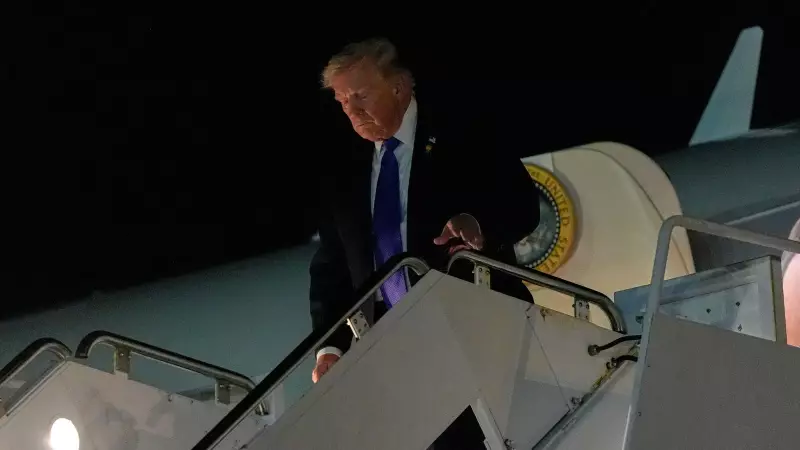
For the Trump administration, which had pursued a policy of "maximum pressure" on Iran since withdrawing from the 2015 nuclear deal, the protests presented both an opportunity and a risk. According to analyses and reports from the time, senior officials within the administration saw the unrest as a moment of potential vulnerability for the Iranian regime. This perception led to internal discussions about escalating pressure beyond economic sanctions.
Military options, including targeted strikes, were reportedly placed on the table for active consideration. The rationale behind this drastic shift was multifaceted. Proponents argued that a show of force could deter further violent suppression of protesters, signal unwavering US support for the Iranian people's aspirations, and exploit the regime's perceived weakness. However, these discussions were fraught with risk, as any military action could have easily been framed by Tehran as an act of foreign aggression, potentially unifying the population behind the government and sparking a wider regional conflict.
Regional Implications and Diplomatic Fallout
The prospect of US military intervention sent ripples of concern through the Middle East and among European allies. Regional powers, already navigating a tense geopolitical landscape, feared the unpredictable consequences of an American strike. Such an action could have triggered retaliatory attacks by Iran or its proxies against US assets or allies like Israel and Saudi Arabia, destabilizing the entire region.
Furthermore, the move would have represented a significant escalation from the existing strategy of sanctions and diplomatic isolation. It risked alienating European partners who, while critical of Iran's human rights record, remained committed to reviving the nuclear agreement through dialogue. The internal debate within the Trump administration ultimately highlighted the profound challenges of crafting a response to a foreign nation's internal crisis, where the desire to support popular dissent clashes with the dangers of military escalation.
In the end, while military options were seriously debated, the Trump administration did not authorize a direct strike in response to the protests. The episode, however, underscored how internal unrest in Iran directly influences global security calculations and has the potential to push longstanding adversaries toward the brink of confrontation. The legacy of those protests continues to shape the relationship between Tehran and the West, reminding the world that the quest for change inside Iran remains a powerful and volatile factor in international politics.