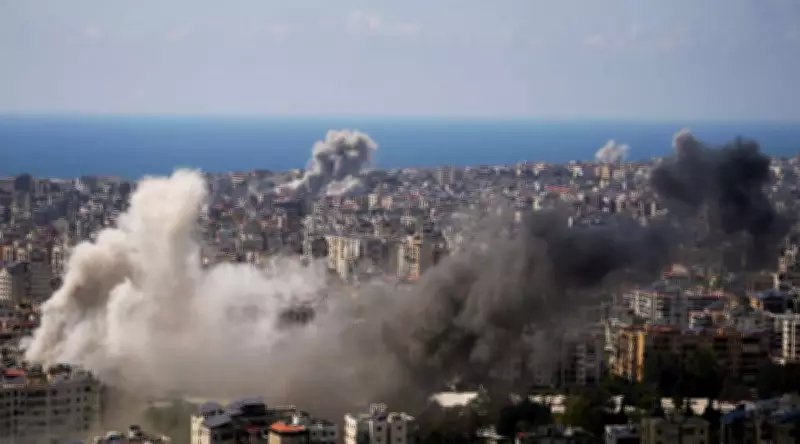
Iran Threatens to Close Strait of Hormuz Amid Escalating Israel-Lebanon Conflict
In a dramatic escalation of regional tensions, Iran has issued a stark threat to shut down the Strait of Hormuz, a vital maritime passage for global oil shipments. This move comes as Israel continues its military attacks on Lebanon, despite ongoing ceasefire negotiations. The situation has raised fears of a wider conflict that could disrupt international energy supplies and destabilize the Middle East.
Ceasefire Efforts Undermined by Ongoing Hostilities
Reports indicate that Israel has persisted with its assaults on Lebanese territory, targeting locations linked to militant groups. These actions have severely undermined fragile ceasefire talks, which were aimed at de-escalating the volatile border situation. Diplomatic channels have been strained, with mediators struggling to broker a halt to the violence as both sides exchange accusations of aggression.
The continuation of Israeli strikes has been condemned by regional actors, including Iran, which views the attacks as a direct threat to its allies in Lebanon. This has fueled retaliatory rhetoric and heightened military posturing across the area.

Iran's Strategic Threat to Global Oil Trade
In response to the escalating conflict, Iran has explicitly threatened to close the Strait of Hormuz, a narrow waterway between the Persian Gulf and the Gulf of Oman. This strait is a critical chokepoint for oil exports, with approximately one-fifth of the world's petroleum passing through it daily. A closure could trigger a global energy crisis, spiking oil prices and impacting economies worldwide.
Iran's warning is seen as a strategic maneuver to exert pressure on Israel and its allies, leveraging its control over this key maritime route. The threat underscores Iran's capability to disrupt international trade in retaliation for perceived hostilities, adding a layer of economic risk to the already tense military situation.
Regional and International Implications
The combined threats of continued Israeli attacks and Iran's potential blockade have set off alarm bells in international capitals. Key stakeholders, including the United States and European nations, are closely monitoring the developments, with concerns about:
- Energy Security: Disruptions to oil flows from the Middle East could lead to supply shortages and price volatility.
- Military Escalation: The risk of the conflict spreading to involve other regional powers, potentially leading to a full-scale war.
- Diplomatic Fallout: Strain on international relations and peacekeeping efforts in the region.
As tensions mount, the international community is urging restraint and a return to ceasefire negotiations. However, with both sides digging in, the path to de-escalation remains uncertain, leaving the region on a knife-edge.