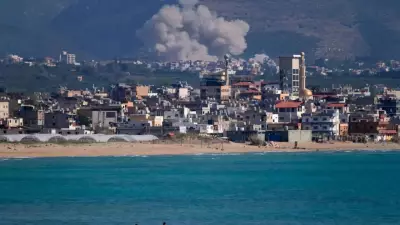
The United States is reportedly exploring a controversial proposal to use frozen Iranian assets for reconstruction in Gulf states, a move that could severely escalate tensions with Tehran amid a fragile ceasefire. According to a report, Washington is considering utilizing these funds to cover repair costs in Kuwait, Bahrain, and other Gulf nations affected by recent Iranian missile and drone attacks.
US Treasury Assessment
U.S. Treasury Secretary Scott Bessent has directed officials to assess the damage caused by Iran's strikes on American allies, according to sources. The assessment is seen as a preliminary step toward potential asset seizure, which critics warn would amount to a multi-billion dollar asset grab.
Iran's Demand for Fund Release
In response, Iranian official Mohsen Rezaei has demanded the release of $24 billion in frozen Iranian funds. He described this as a key test of trust for any future agreement with the Trump administration. Rezaei warned that any attempt to seize the assets would be met with severe retaliation.

The development comes as tensions remain high in the Gulf region. The fragile ceasefire, brokered earlier this year, has been threatened by recent exchanges of fire and political posturing. Analysts fear that the asset seizure plan could unravel the truce entirely, leading to a new cycle of violence.
Iran has repeatedly denied involvement in the attacks on Gulf states, blaming instead regional militias. However, the US and its allies have presented evidence linking Tehran to the strikes. The frozen assets, primarily held in European and Asian banks, were originally sanctioned due to Iran's nuclear program and alleged support for terrorism.
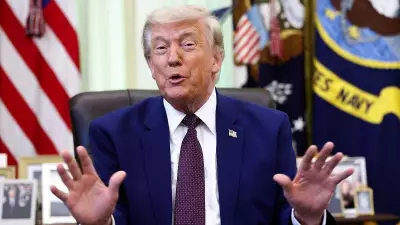
The Trump administration has not officially confirmed the proposal, but sources indicate it is under serious consideration. The move would likely face legal challenges from Iran and could strain relations with European allies who have been cautious about further escalation.
Meanwhile, Iranian officials have issued stark warnings. Rezaei stated, "Any attempt to steal our assets will be considered an act of war. We have the means to defend our rights and will not hesitate to use them." The US has not responded to these threats but has increased naval presence in the Hormuz Strait.
The situation remains fluid, with both sides signaling readiness for confrontation. The international community has called for restraint, urging both parties to return to negotiations. However, the asset seizure proposal threatens to derail any diplomatic progress.