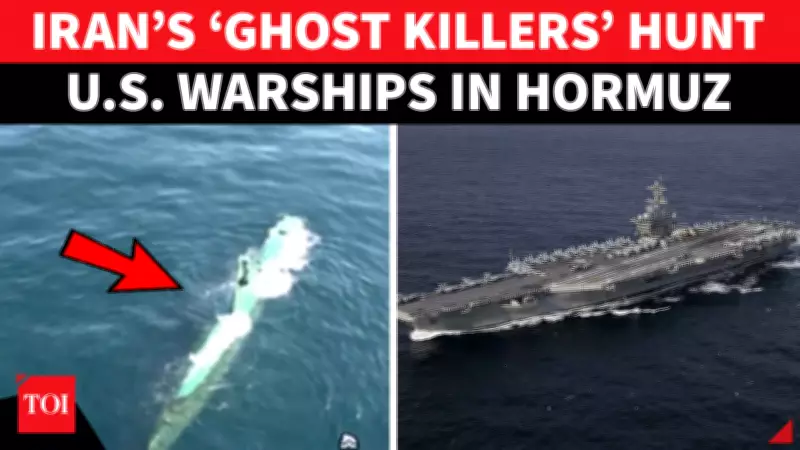
Can a tiny, budget submarine take down a multi-billion dollar US aircraft carrier? In the narrow, shallow chokepoint of the Strait of Hormuz, the answer is terrifyingly possible. Iran has deployed its Ghadir-class midget submarines into active patrol lines. Built for stealth in coastal waters, these silent stalkers hide in the loud acoustic noise of global shipping. For American naval planners, it's an invisible nightmare where size doesn't equal survival—silence does.
Stealth in Shallow Waters
The Ghadir-class submarines are designed for operations in the Persian Gulf and the Strait of Hormuz, where water depths rarely exceed 100 meters. Their small size and diesel-electric propulsion make them extremely difficult to detect amidst the heavy maritime traffic and ambient noise. Unlike larger nuclear submarines, the Ghadir boats can lie quietly on the seabed, ambushing unsuspecting targets.
Asymmetric Threat
Iran's naval doctrine emphasizes asymmetric warfare. The Ghadir submarines can launch torpedoes or lay mines, posing a significant risk to high-value assets like aircraft carriers. While a single submarine may not sink a carrier, a coordinated attack could disable or damage it, disrupting US naval operations in the region.

Strategic Implications
The deployment of these midget submarines underscores Iran's focus on controlling the Strait of Hormuz, a vital waterway for global oil shipments. The US Navy has long prepared for such threats, but the shallow, congested environment complicates anti-submarine warfare. As tensions persist, the Ghadir-class submarines represent a persistent and evolving challenge.