Iraq Escalates Tensions with U.S. Over Deadly Strikes on Pro-Iran Militias
Iraq is confronting a perilous escalation in regional hostilities following a series of deadly attacks that targeted pro-Iran militias, including the influential Popular Mobilization Forces (PMF). The assaults have resulted in the tragic loss of at least seven soldiers, with dozens more sustaining injuries, prompting a swift and forceful response from the Iraqi government.
Baghdad's Diplomatic and Military Response
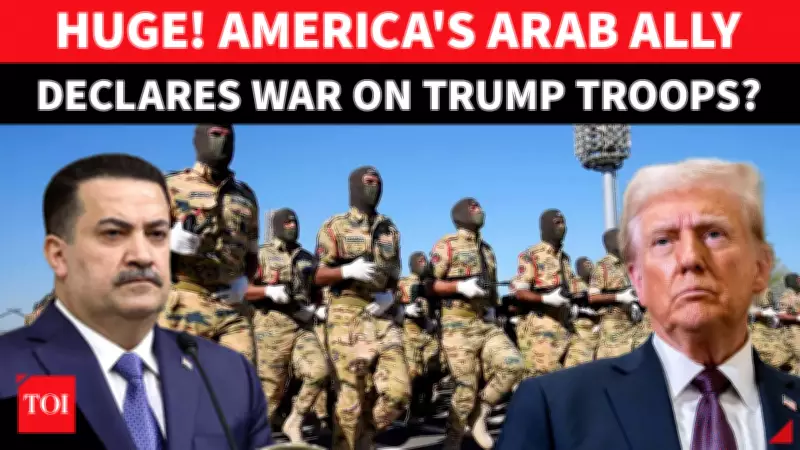
In a significant diplomatic move, Iraqi Prime Minister Mohammed Shia al-Sudani has summoned the U.S. envoy to Baghdad, delivering a stern condemnation of what he described as blatant violations of Iraq's sovereignty. The Iraqi National Security Council has officially labeled these strikes as acts of aggression, underscoring the gravity of the situation.
Furthermore, Baghdad has granted explicit authorization to its armed forces and the PMF, asserting their "right to respond" to the attacks. This declaration raises the specter of potential retaliation, which could further inflame an already volatile region.

Geographic Scope and Accusations
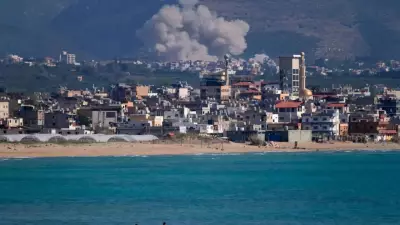
The strikes have impacted multiple locations across Iraq, with significant hits reported in Anbar province and areas near Erbil. In a parallel development, Kurdish officials have pointed fingers at Iran, accusing it of launching missile attacks within their region. These allegations add another layer of complexity to the ongoing tensions, implicating key regional players.
International Ramifications and UN Involvement
In response to the escalating crisis, Iraq plans to lodge a formal complaint with the United Nations Security Council, seeking international intervention to address the breaches of its sovereignty. The situation threatens to draw in major powers, with the potential for a broader regional conflict involving the United States, Iran, and Israel.
The current standoff highlights the fragile balance of power in the Middle East, where military actions can quickly spiral into larger confrontations. As Iraq asserts its rights and prepares for possible countermeasures, the international community watches closely, concerned about the implications for regional stability and global security.