IRGC Claims Major Strikes Across Israel and US Assets, Reports Over 200 Casualties
The Islamic Revolution Guards Corps (IRGC) of Iran has asserted that its latest military campaign has resulted in significant casualties, with over 200 people killed or wounded. In a statement released on Saturday, the IRGC detailed that this phase of its ongoing retaliatory operation, dubbed "True Promise 4," has dramatically shifted the balance of power against its adversaries.
Targets and Tactics in the Latest Wave
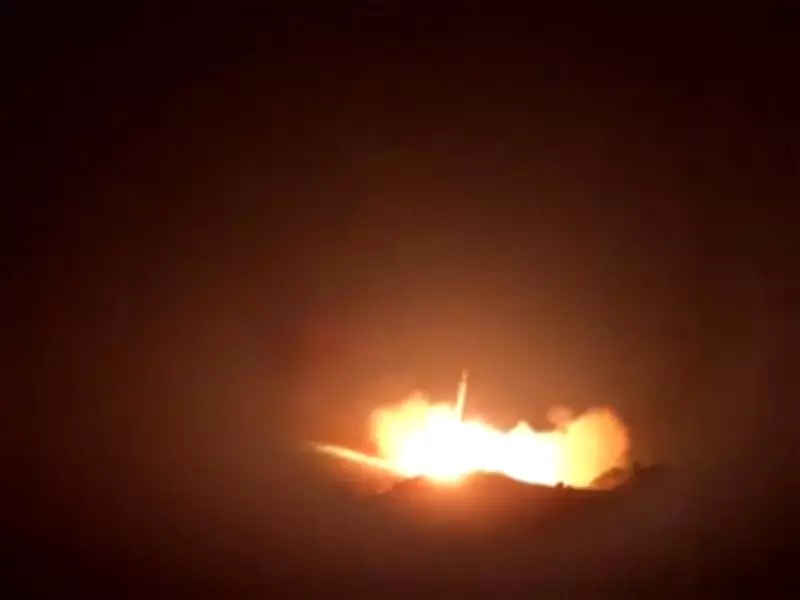
According to reports from Iranian state media Press TV, the IRGC launched the 73rd wave of its operation, targeting both southern and northern regions of what it refers to as the "occupied territories." The strikes were conducted as a tribute to the martyrs of Iran's air defence sector, employing advanced missile and drone systems managed by the IRGC's Aerospace Force.
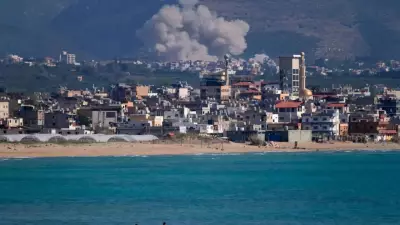
Key Israeli locations hit include military and security hubs in Arad, Dimona, Eilat, Be'er Sheva, and Kiryat Gat. The IRGC claims these attacks succeeded due to the collapse of Israeli air defence systems. Additionally, the operation extended to American assets, with US military bases in Kuwait and the United Arab Emirates—specifically Ali al-Salem, al-Minhad, and al-Dhafra—also being targeted.

Technological Arsenal and Casualty Claims
The IRGC deployed a range of sophisticated weaponry in this wave, including the Fattah, Qadr, and Emad missile systems, alongside various attack drones. Initial field assessments cited by the Corps indicate that more than 200 individuals were killed or injured in the early hours of this latest stage of reprisal.
In its statement, the IRGC accused Israeli authorities of intensifying pressure on journalists and eyewitnesses to censor coverage of the damage and casualty figures. This allegation adds to the ongoing information war surrounding the conflict.
Regional Coordination and Escalating Tensions
The IRGC praised the efforts of Lebanon's Hezbollah, crediting the movement with opening a "tough and high-pressure battlefront" against central and northern areas. This highlights the broader regional coordination in the conflict, with multiple actors involved in the escalating hostilities.
The Corps characterized the current state of settlers as "dire and forsaken," blaming the policies of Benjamin Netanyahu's war cabinet for compromising security near nuclear and military zones. The IRGC concluded by asserting that the "equations of war are rapidly changing," claiming that the Israeli military's control over its own defence is collapsing.
Aftermath and Broader Context
These claims follow reports of a major strike near the Dimona nuclear reactor. While official sources have acknowledged nearly 50 injuries, Iranian state media Press TV suggested that the massive deployment of ambulances and military helicopters indicates the actual toll may be higher. Reflecting on the intensity of the night, the Israeli publication Yedioth Ahronoth reportedly described the events as the "most difficult night" for the home front since the end of February.
This latest wave of strikes is part of a series of "unrelenting and decisive counterstrikes" launched by the Islamic Republic's Armed Forces in response to recent regional provocations. The situation underscores the deepening conflict in the Middle East, with significant implications for regional stability and international relations.