

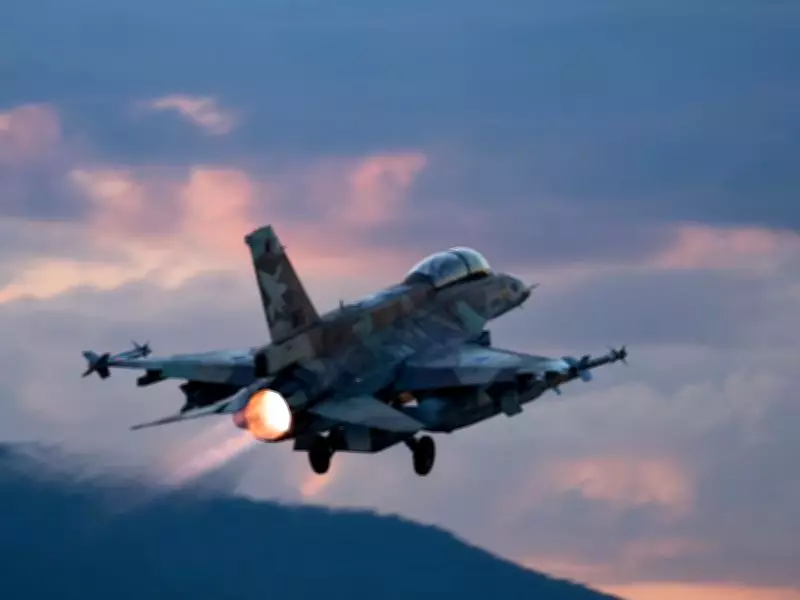
Israel Intercepts Over 10 Aircraft Launches from Lebanon, Eliminates 250 Hezbollah Commanders
In a significant escalation of military operations, Israeli forces have intercepted more than 10 aircraft launches originating from Lebanon. This development comes as part of a broader campaign that has resulted in the elimination of approximately 250 Hezbollah commanders, according to recent reports.
Details of the Interceptions and Operations
The Israeli military successfully neutralized over 10 aerial threats, including drones and other aircraft, that were launched from Lebanese territory. These interceptions highlight the ongoing technological and tactical advancements in Israel's defense systems, which are being rigorously tested amid heightened regional hostilities.
Simultaneously, Israeli operations have targeted Hezbollah leadership, with around 250 commanders reportedly killed in recent strikes. This figure underscores the intensity of the conflict and Israel's focused efforts to degrade Hezbollah's command structure, which is a key player in the region's geopolitical landscape.

Context and Regional Implications
The actions are set against a backdrop of long-standing tensions between Israel and Hezbollah, a Lebanon-based militant group. Hezbollah has been involved in numerous conflicts with Israel, and these latest incidents signal a potential escalation that could have broader implications for Middle Eastern stability.
Experts suggest that the elimination of such a high number of commanders could significantly impact Hezbollah's operational capabilities, potentially altering the dynamics of future engagements. However, it also raises concerns about retaliatory measures and further violence in the region.
International Reactions and Future Outlook
While specific international responses have not been detailed in the initial reports, such developments are likely to draw attention from global powers and organizations monitoring the Middle East. The situation remains fluid, with ongoing military activities and diplomatic efforts shaping the course of events.
As the conflict continues, observers are closely watching for any signs of de-escalation or further military actions. The interceptions and commander eliminations mark a critical phase in the ongoing struggle, with potential repercussions for regional security and international relations.






