

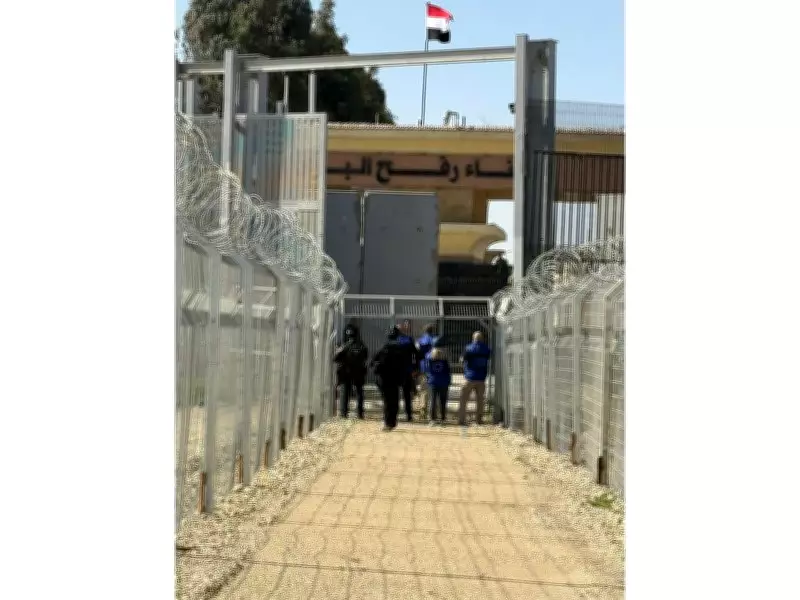
In a significant development amid the ongoing conflict, Israel has announced the partial reopening of the Rafah crossing between the Gaza Strip and Egypt on a trial basis. This move is aimed at facilitating the entry of much-needed humanitarian aid into the besieged Palestinian territory, which has been grappling with severe shortages of essential supplies.
Humanitarian Corridor Established
The decision to reopen the Rafah crossing comes after intense international pressure and diplomatic efforts to address the humanitarian crisis in Gaza. Israeli authorities have stated that the crossing will operate under strict security protocols and monitoring to ensure that aid deliveries do not compromise national security. The trial basis indicates that the reopening is conditional and subject to evaluation based on operational and security assessments.
Impact on Gaza Residents
For the residents of Gaza, this partial reopening offers a glimmer of hope. The crossing serves as a vital lifeline for the flow of food, medical supplies, and other humanitarian assistance. Prior to this, the closure had exacerbated the already dire conditions in Gaza, with reports of malnutrition, disease outbreaks, and limited access to healthcare. Aid organizations have welcomed the move but emphasize the need for sustained and unimpeded access to meet the overwhelming needs of the population.

International Reactions and Diplomatic Efforts
The reopening has been met with cautious optimism by the international community. Key stakeholders, including the United Nations and various global powers, have been advocating for such measures to alleviate the suffering in Gaza. Diplomatic channels between Israel, Egypt, and other involved parties have been active in negotiating the terms of the crossing's operation, highlighting the complex geopolitical dynamics at play.
Egypt, which controls the Rafah crossing on its side, has played a crucial role in facilitating this trial reopening. The Egyptian government has coordinated with Israeli officials to ensure that aid convoys can pass through smoothly while maintaining security checks. This collaboration underscores the importance of regional cooperation in addressing humanitarian crises.
Challenges and Future Prospects
Despite this positive step, challenges remain. The trial basis means that the crossing's future operation is uncertain and could be reversed if security concerns arise. Additionally, the volume of aid allowed through may be limited initially, potentially falling short of the actual requirements in Gaza. Humanitarian agencies are calling for a permanent and full reopening to ensure consistent aid delivery.
In conclusion, Israel's decision to partially reopen the Rafah crossing on a trial basis marks a critical juncture in the ongoing conflict. It reflects a balance between security imperatives and humanitarian needs, with the potential to ease the crisis in Gaza if sustained. The international community will be closely watching the implementation and outcomes of this trial period.






