Kerala Fisherman's Dream Turns to Nightmare in Iran Conflict Zone
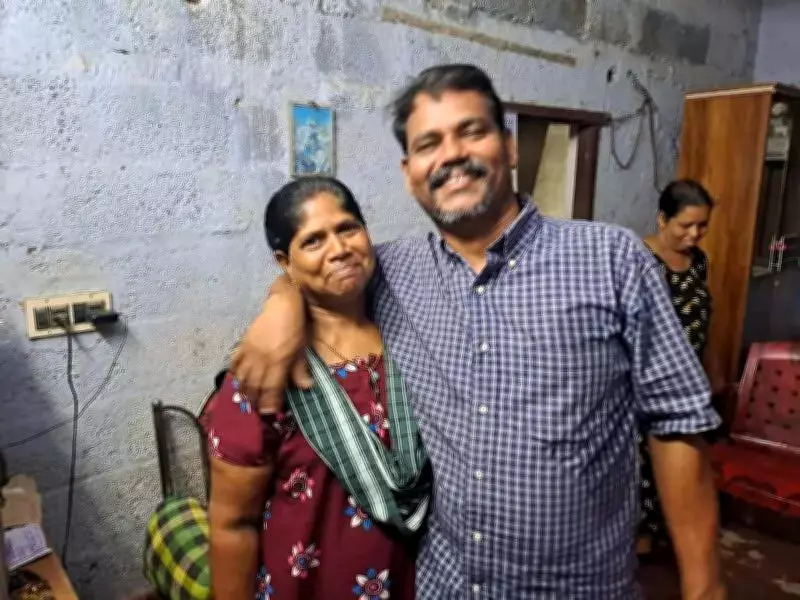
For V R Thaddeus, a fisherman hailing from Vizhinjam in Kerala, a journey to Iran was meant to be a life-altering opportunity—a chance to earn better wages and rebuild his family's future. Instead, it descended into a harrowing ordeal marked by fear, uncertainty, and a relentless daily struggle for survival.
From Hope to Horror: A Journey into Conflict
Thaddeus embarked on his trip to Iran on February 19, securing employment with a fishing company. Within mere weeks, his aspirations were shattered as conflict erupted, leaving him first stranded at sea and later confined in a harbor under frequent missile barrages.
"I went there with so much hope. I thought I could earn well and change my family's life. But within days, everything collapsed. We couldn't even sleep. Missiles were hitting day and night, and every sound made us feel the next one would fall upon us," he recounted, his voice echoing the trauma of those days.

Adrift and Under Fire: A Tale of Survival
As part of a 10-member fishing crew, Thaddeus ventured out to sea just as tensions escalated. While offshore, their communication systems, including GPS, failed completely, leaving them adrift for four agonizing days without any contact with the outside world.
"For four days, we were stuck in the middle of the sea, not knowing what was happening elsewhere. When we finally neared the shore at night, the sky was lit with bombs and missiles. That was when we realised there was no easy escape," he described, painting a vivid picture of the chaos.
Upon reaching the harbor, Thaddeus and approximately 50 others from various nations were forced to take shelter in a single hall for nearly one and a half months as attacks raged nearby.
"We stayed inside one hall the whole time, too afraid to step out. Every night there were explosions. None of us slept properly. We were just waiting, not knowing if we would survive the next day. Those days felt endless," he shared, highlighting the psychological toll of the confinement.
Evacuation and Return: A Costly Escape
With no clear evacuation plan in sight, the group made repeated attempts to contact the Indian embassy. After weeks of desperate pleas, their efforts bore fruit, and the embassy facilitated their evacuation.
"At that point, I was not thinking about money or work. I only wanted to get out alive," Thaddeus emphasized, underscoring the shift from economic ambition to sheer survival instinct.
On April 5, he and fellow Indians embarked on a perilous journey, first traveling to Armenia at a personal cost of around Rs 60,000, before flying to Chennai and finally returning home to Vizhinjam.
Financial Ruin and Emotional Scars
Back in Kerala, Thaddeus now grapples with a heavy financial burden, having taken a loan of approximately Rs 1 lakh before his departure.
"I went there to support my family, but I have returned empty-handed. Still, I feel lucky because I am alive. There were many moments when I thought I wouldn't make it back," he admitted, reflecting on the bittersweet reality of his survival.
Having returned with only his clothes and essential documents, he clings to the hope of rebuilding his life through fishing, the only trade he has known since childhood.
"I have been fishing since I was young. That is the only thing I know. I will try to start again somehow. After going through all this, I don't have the courage to leave my country again. I will never go abroad," he vowed, his words laden with the deep scars left by the experience.
This story serves as a stark reminder of the vulnerabilities faced by migrant workers in conflict zones and the resilience required to navigate such crises.