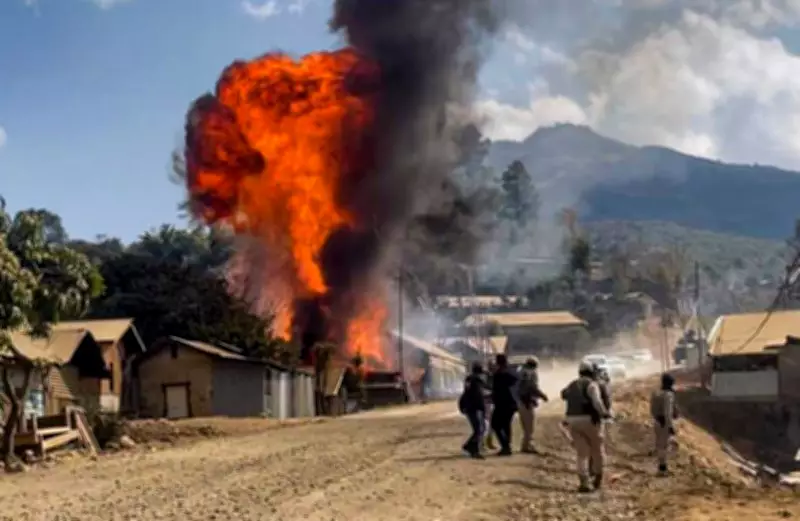
Three years after the outbreak of ethnic violence in Manipur, the investigations into the incidents remain largely inconclusive, with the state government citing complex challenges in bringing the perpetrators to justice. The violence, which erupted in May 2023 between the Meitei and Kuki communities, resulted in over 200 deaths and left thousands displaced.
Current Status of Investigations
According to official data, out of more than 1,500 cases registered related to the violence, only a handful have seen chargesheets filed. The state police, under the supervision of the Central Bureau of Investigation (CBI) for some cases, has been grappling with witness intimidation, lack of forensic evidence, and the sheer scale of the crimes.
Challenges Faced by Investigators
The Manipur government has admitted that the investigation is moving slowly due to several factors:

- Witness Protection: Many witnesses have been threatened or have fled their homes, making it difficult to record statements.
- Forensic Delays: The state lacks adequate forensic facilities, leading to delays in analyzing evidence such as DNA samples and ballistic reports.
- Political Pressure: The sensitive nature of the ethnic conflict has led to political interference, with community leaders demanding that certain cases be closed or fast-tracked.
Government Response
The state government has formed a special investigation team (SIT) to probe the most heinous crimes, including murders and arson. However, human rights groups have criticized the government for not doing enough to ensure justice. The Supreme Court of India has also taken suo motu cognizance of the situation and has been monitoring the probe.
Victims' Plight
Victims and their families continue to live in relief camps, with many expressing frustration over the lack of closure. Over 50,000 people remain displaced, and the return to normalcy seems distant. The state government has announced compensation packages, but implementation has been slow.
Way Forward
Legal experts suggest that the government needs to adopt a multi-pronged approach, including fast-track courts for violence-related cases, better witness protection programs, and community reconciliation efforts. Without these measures, the cycle of violence and mistrust may continue.