Mark-48 Torpedo: The Lethal US Submarine Weapon That Sent Iranian Warship to the Bottom of the Indian Ocean
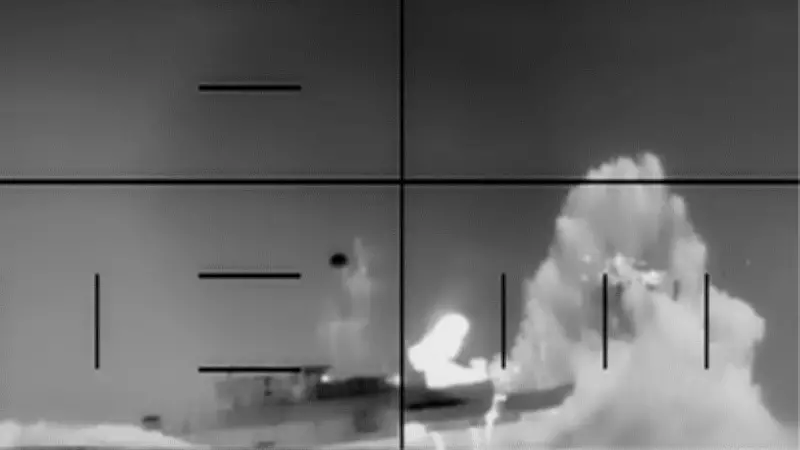
The United States has released dramatic video footage showing the final moments of the IRIS Dena, a modern Iranian Moudge-class frigate, before it sank in the Indian Ocean. The black-and-white infrared footage captures the precise moment an American submarine launched a Mark-48 heavyweight torpedo that struck and destroyed the Iranian Navy vessel.
According to official US statements, the devastating strike resulted in the deaths of more than 80 sailors and sent the warship to the ocean floor. This incident represents one of the most significant naval engagements in the ongoing and widening crisis across the Middle East region.
Escalating Regional Tensions
The sinking of the Iranian warship occurs against a backdrop of intensifying conflict, where rockets, missiles, and drones continue to be exchanged across Israel, Iran, and neighboring areas. These developments have significantly heightened fears that the current hostilities could escalate into a broader, more destructive regional war.

Amid these rising tensions, military analysts and global observers have turned their attention to the specific weapon employed in this attack: the Mark-48 torpedo, which serves as the US Navy's primary submarine-launched offensive weapon system.
Understanding the Mark-48 Torpedo: Key Facts About America's Undersea Weapon
The Mark-48 heavyweight torpedo has long functioned as the cornerstone of the United States Navy's submarine warfare capabilities. Specifically engineered to destroy both enemy warships and submarines, it remains the principal offensive armament carried by American attack submarines.
First introduced into service in 1972, this formidable torpedo has undergone multiple substantial upgrades over subsequent decades. Modern variants, most notably the Mk-48 ADCAP (Advanced Capability), incorporate significantly improved guidance systems, advanced electronics, and enhanced propulsion technology.
Technical Specifications and Lethal Capabilities
- Weight and Warhead: The weapon weighs approximately 3,800 pounds (about 1,700 kilograms) and carries a powerful warhead designed to cripple or destroy large naval vessels.
- Guidance System: The Mark-48 utilizes a combination of active and passive sonar to track targets underwater. This sophisticated system allows it to home in on ships or submarines even if they attempt complex evasive maneuvers.
- Unique Detonation Method: Unlike many conventional naval weapons, this torpedo is engineered to detonate beneath a ship's hull rather than striking it directly. The warhead, with an explosive force roughly equivalent to 500 pounds of TNT, creates an immense bubble of gas upon explosion.
- Keel-Breaking Effect: As this gas bubble expands and then violently collapses, it generates forces powerful enough to snap the ship's keel—the central structural beam running along the vessel's bottom. This catastrophic "keel-breaking" effect can tear a ship into multiple pieces, causing it to sink with extreme rapidity.
- Speed and Range: The torpedo can achieve speeds exceeding 55 knots (over 100 kilometers per hour) and can engage targets located dozens of kilometers away, solidifying its reputation as one of the most lethal underwater weapons in contemporary naval warfare.
Deployment and Historical Context
The Mark-48 torpedo is deployed across several key classes of US submarines, including the Los Angeles-class, Seawolf-class, and Virginia-class boats. US Defense Secretary Pete Hegseth characterized the strike on the Iranian frigate as a "quiet death," notably highlighting that this event marks the first sinking of an enemy ship by an American torpedo since the conclusion of World War II.
This deployment and its recent successful use underscore the ongoing strategic importance of submarine warfare within global naval power dynamics, particularly during periods of heightened international conflict such as the current crisis in the Middle East.