Moscow Implements Full Airport Shutdown Following Drone Interception
In a significant security development, the Russian capital of Moscow has ordered the complete closure of all four of its major international airports. This drastic measure was enacted after the country's air defence forces successfully shot down a total of 11 Ukrainian drones that were reportedly approaching the city. The incident, which occurred on February 22, 2026, has triggered widespread operational disruptions and raised immediate safety alarms across the region.
Details of the Drone Attack and Air Defence Response
According to official statements from Russian authorities, the air defence systems were activated in the early hours to neutralise the threat posed by the unmanned aerial vehicles. The drones, identified as originating from Ukraine, were intercepted and destroyed before they could reach their intended targets within Moscow. This aggressive defensive action underscores the escalating tensions and the persistent threat of aerial incursions in the ongoing conflict between Russia and Ukraine.
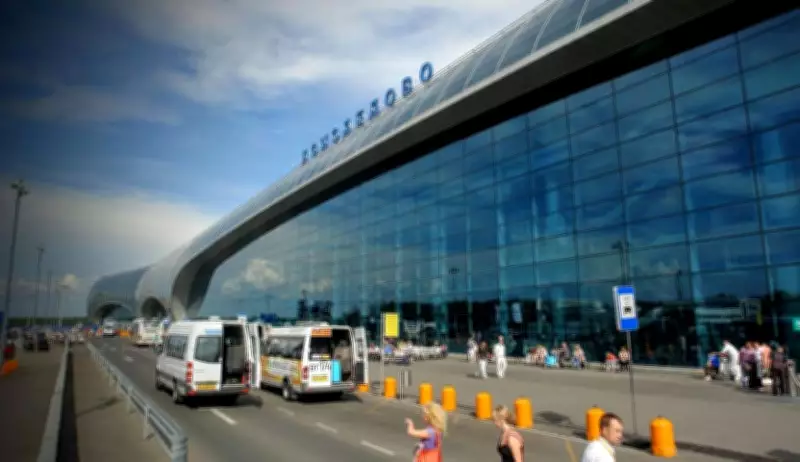
The immediate aftermath saw the suspension of all flight operations at Sheremetyevo, Domodedovo, Vnukovo, and Zhukovsky International Airports. This unprecedented shutdown has led to the cancellation and diversion of numerous domestic and international flights, causing significant inconvenience to thousands of passengers. Airport officials have advised travellers to stay updated through official channels for any rescheduling or alternative arrangements.

Security Implications and Regional Impact
The successful downing of the 11 drones highlights the robustness of Moscow's air defence capabilities, but it also points to the increasing frequency and sophistication of such attacks. Security analysts suggest that this event may prompt a reevaluation of defence protocols not only in Moscow but also in other major cities within Russia. The closure of all international gateways is seen as a precautionary step to prevent any potential follow-up strikes or security breaches.
This incident adds to a series of similar drone attacks reported in recent months, reflecting the volatile nature of the Russia-Ukraine war. The use of drones has become a common tactic, allowing for long-range strikes without direct military engagement. The latest episode near Moscow is particularly notable due to its proximity to the capital, raising concerns about the vulnerability of critical infrastructure.
Operational Challenges and Future Outlook
The temporary airport shutdown is expected to have ripple effects on both regional and global air travel networks. Airlines operating in and out of Moscow are facing logistical hurdles, including rerouting flights and managing passenger backlog. The economic impact, though yet to be fully assessed, could be substantial given Moscow's role as a key aviation hub.
Authorities have not specified a timeline for the resumption of normal airport operations, indicating that the situation remains fluid. Enhanced security screenings and surveillance measures are likely to be implemented once the airports reopen. The international community is closely monitoring the developments, as such incidents have broader implications for geopolitical stability and aviation safety standards.
In conclusion, the shutdown of Moscow's international airports following the downing of 11 Ukrainian drones marks a critical moment in the ongoing conflict. It underscores the persistent security threats faced by urban centres and the complex challenges in safeguarding airspace. As the situation evolves, further updates are anticipated regarding both the security landscape and the restoration of air travel services in the Russian capital.