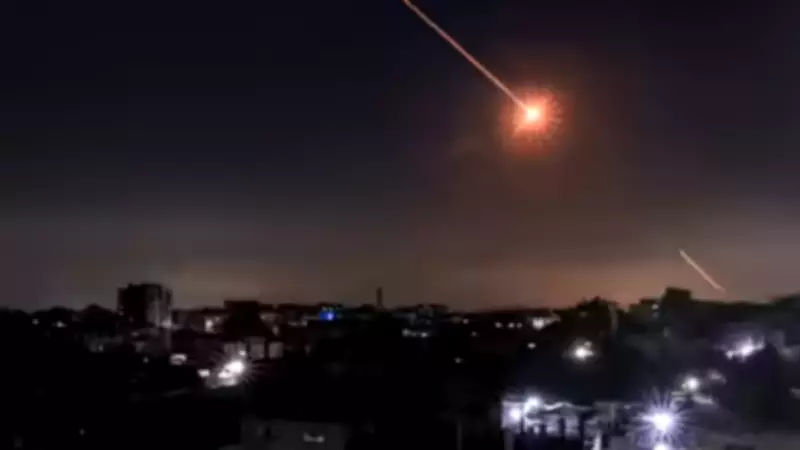
NATO Air Defenses Intercept Iranian Ballistic Missile Over Turkish Territory
In a significant escalation of regional tensions, NATO air defense systems successfully intercepted a ballistic missile fired from Iran over Turkish airspace on Friday. The Turkish defense ministry confirmed the incident, marking the third such interception since the onset of the Iran war, highlighting the ongoing volatility in the Middle East.
Iran Denies Involvement Amid Expert Skepticism
Iran's embassy in Ankara swiftly issued a denial, asserting that "no projectile" had been launched toward Turkey. However, regional security experts have expressed skepticism, suggesting that such denials are unlikely to hold weight given the pattern of recent events and the missile's trajectory.
Local Reports of Explosions and Sirens Near US Base
Residents in the southern Turkish city of Adana reported hearing a loud explosion and the activation of air raid sirens at Incirlik Air Base in the early hours of Friday. This strategic base is notably utilized by US forces, raising concerns about potential targeting. Fortunately, no casualties were reported from the incident, according to official statements.

Context of Rising Tensions and Diplomatic Moves
The interception occurred just hours after Turkey's transport minister disclosed that a Turkish-owned vessel had navigated the Strait of Hormuz with Iran's permission. This detail adds a layer of complexity to the diplomatic landscape, as it suggests ongoing, albeit tense, maritime cooperation amidst military confrontations.
This event underscores the broader conflict dynamics involving Iran, Israel, and the United States, with recent developments including:
- Israeli strikes on over 200 targets in Iran.
- A drone attack on a residential apartment in Beirut.
- Former US President Donald Trump's claims about Iran's surrender and removal as a "cancer."
- Reports of two Indian nationals killed and ten injured in an Iranian drone attack in Oman.
The repeated missile interceptions over Turkey signal a dangerous expansion of the Iran war into NATO airspace, prompting heightened vigilance among allied forces and regional stakeholders.